Picture this: you’ve finally settled on the perfect design. You’ve saved a dozen references, picked your artist, and booked the appointment. Then the question creeps in how much is this actually going to hurt?
If you’re about to sit in the chair, or you’re just tattoo-curious and want to plan smarter placement, you’re in the right place. Not all skin is created equal. Some spots barely register as a scratch. Others feel like your artist is dragging a hot wire straight across bone. The most painful places to get tattooed tend to be areas with the least fat, the most nerve endings, and the thinnest skin, and bony areas usually hurt the most. Healthline
Below is your complete, no-nonsense breakdown of the 16 most painful spots to get inked — ranked, explained, and paired with real tips to help you get through the session in one piece.
Quick Answer: Why Some Spots Hurt So Much More
Before we rank them, it helps to know why pain varies so wildly by location. Three factors matter most:
- Proximity to bone — less cushioning means the needle’s vibration travels straight to sensitive nerve endings near the skeleton.
- Nerve density — some areas (face, hands, groin) are simply packed with more nerve endings than others.
- Skin thickness — thin, delicate skin transmits pain signals faster and more intensely than thicker, fattier areas.
A simple way to predict pain level yourself is the “pinch test” — pinching a spot on your body gives you a rough preview of how much a tattoo there is likely to hurt. Try it on a few candidate spots before you commit to placement. Tattooing 101
Now, let’s get into the list.
1. Ribs
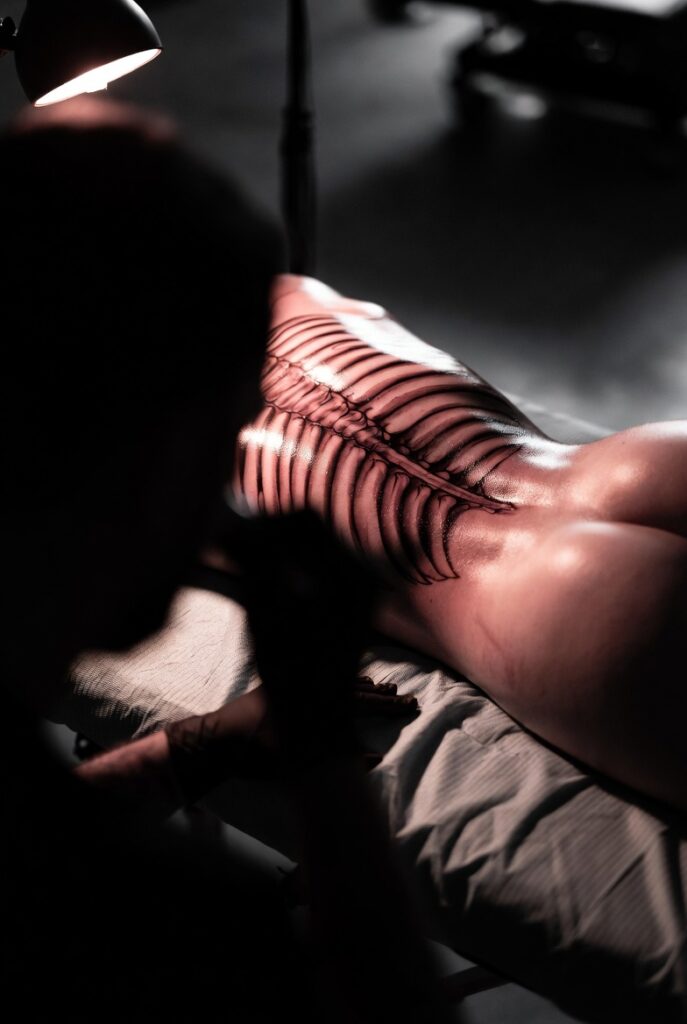
The ribcage consistently tops most pain charts, and for good reason. The ribcage has thin skin, little muscle, and many nerve endings, which makes it one of the most painful areas to tattoo. Add in the fact that your ribs move every time you breathe, and you’ve got a recipe for a long, uncomfortable session. Tatt2Away
Tip: Book shorter sessions and practice slow, steady breathing — panting or holding your breath only tenses the muscles under the needle.
2. Armpit
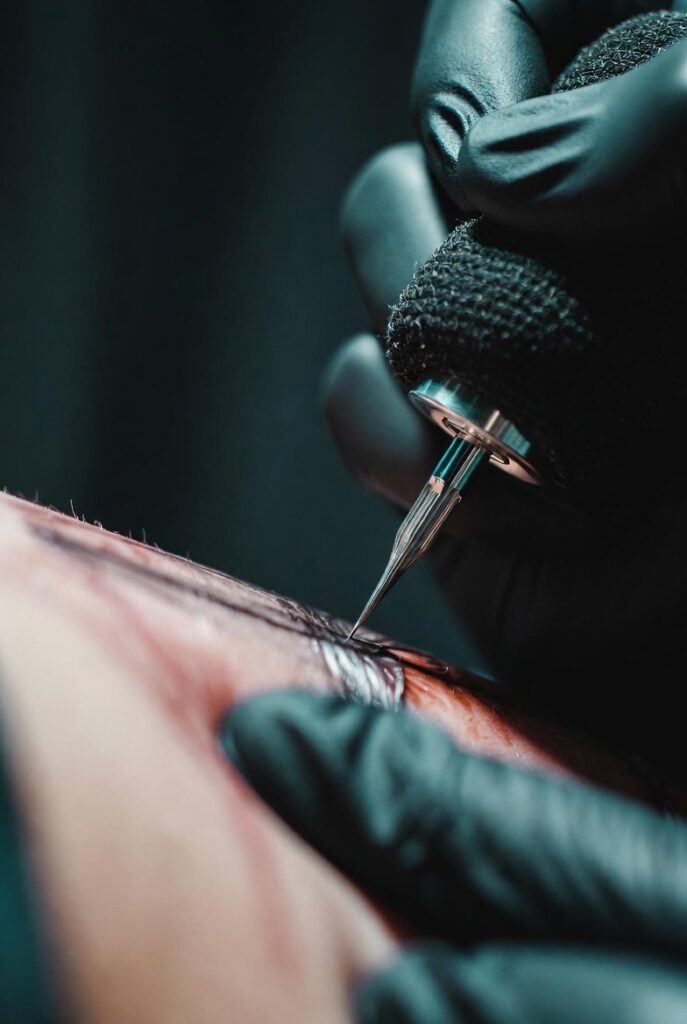
If there’s one spot tattoo artists themselves tend to warn against, it’s this one. The armpit is repeatedly reported as one of the most uncomfortable places to get tattooed, to the point that many artists actively advise against it. Thin skin, constant movement, and a dense cluster of nerves make this a genuinely brutal spot. Ink Nurse
Save-worthy tip: Healing might actually be worse than the tattoo itself here — sweat and friction from your arm constantly complicate recovery.
3. Sternum / Chest Bone
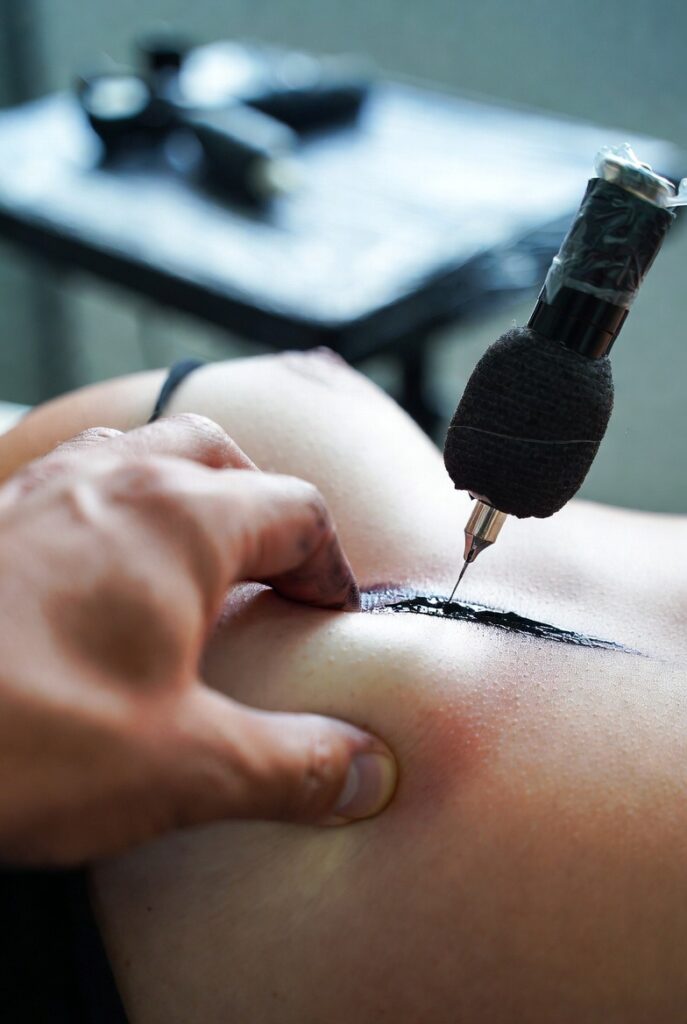
Right down the center of your chest sits a strip of bone with almost nothing protecting it. The sternum is thin and bony, sitting right along the bones that connect your ribcage and collarbone, and it’s also a popular tattoo location. If you’re planning a large chest piece, expect the centerline to be the toughest part of the whole design. Hush Anesthetic
4. Elbows and Kneecaps
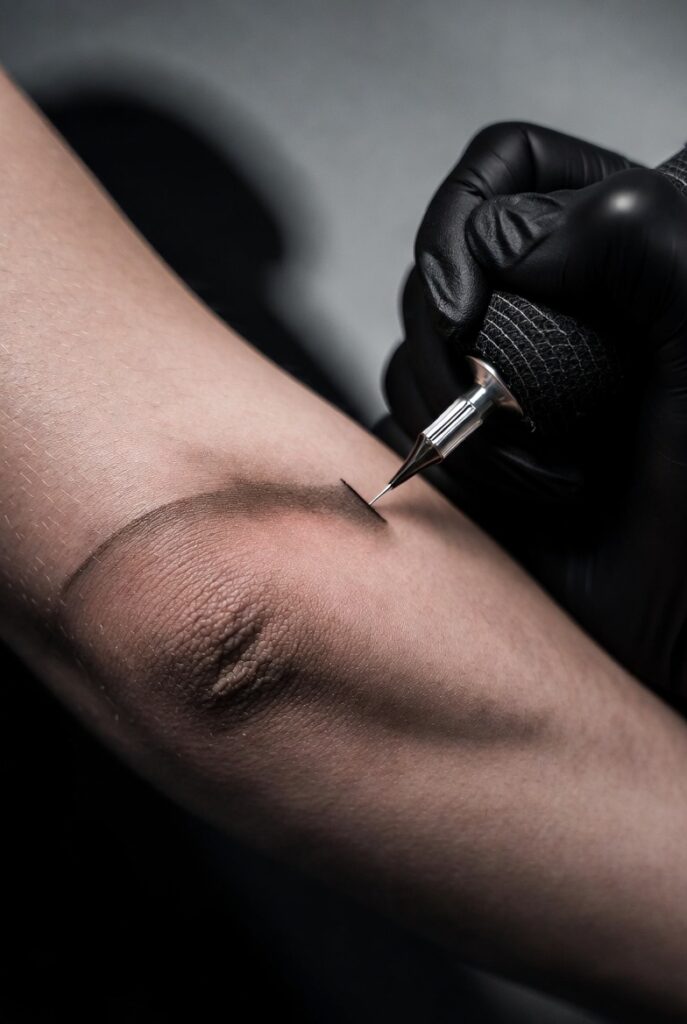
Bony, awkward, and slow to tattoo elbows and kneecaps show up near the top of nearly every pain ranking. Kneecaps and elbows rank close to the top of the tattoo pain chart because of their bony surfaces. The joint also bends constantly, which stretches fresh ink and can prolong healing. Hush Anesthetic
5. Hands and Fingers
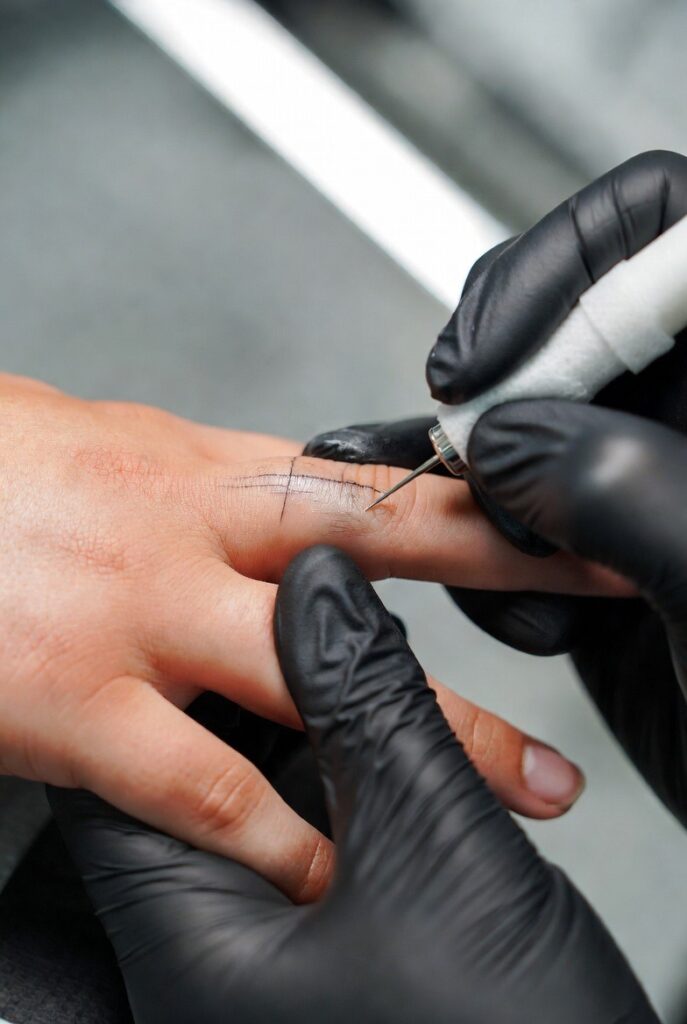
Trendy? Absolutely. Painless? Not even close. Hands and fingers are packed with bones, tendons, and nerve endings close to the surface, which increases pain significantly during tattooing knuckles especially. The good news: sessions here are usually short, so the pain is intense but brief. Tatt2Away
6. Feet and Ankles
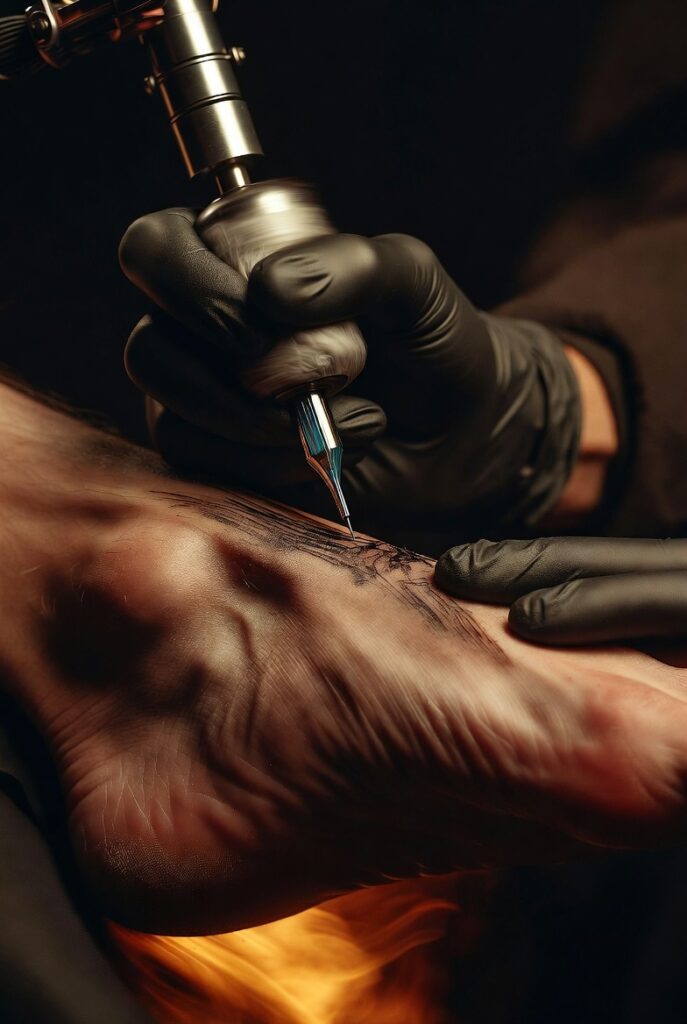
Your feet take a beating in daily life, but that doesn’t make them easier to tattoo. The feet have a dense concentration of nerve endings and very little natural cushioning, putting them high on the list of painful tattoo spots. Expect noticeable swelling for days afterward closed-toe shoes and long walks are not your friend during healing. INKEEZE
7. Neck and Throat
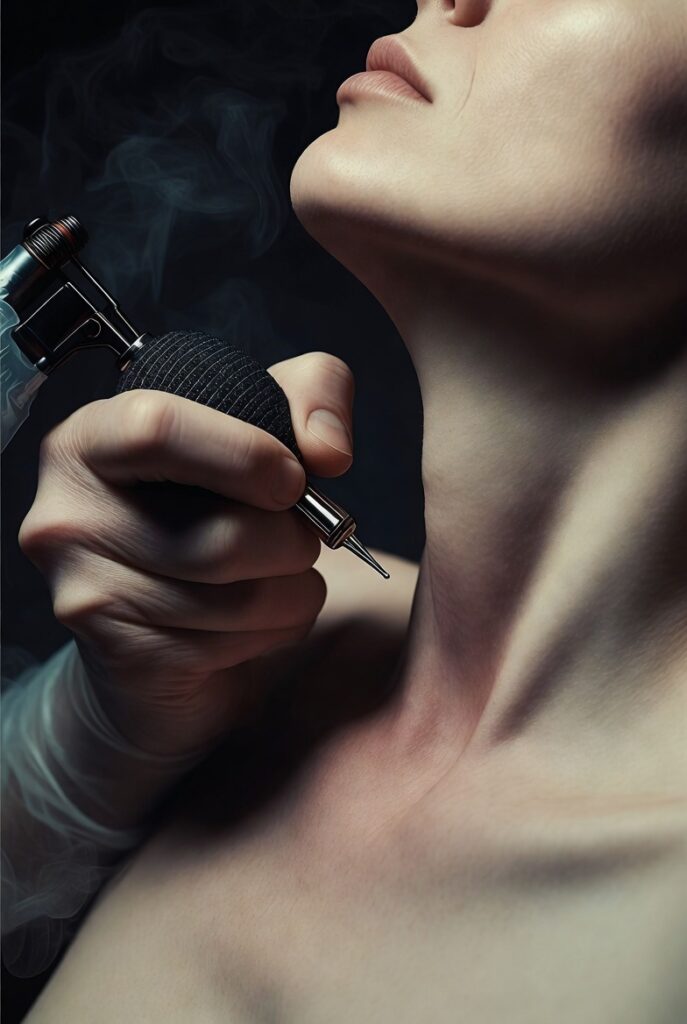
The neck is sensitive for a reason: it’s packed with major nerves running to your head, shoulders, and spine. Neck tattoos are unpleasant because the movement of the needle can stimulate large nerves running along the back and sides of the neck, sometimes causing discomfort that spreads into the back. INKEEZE
8. Spine
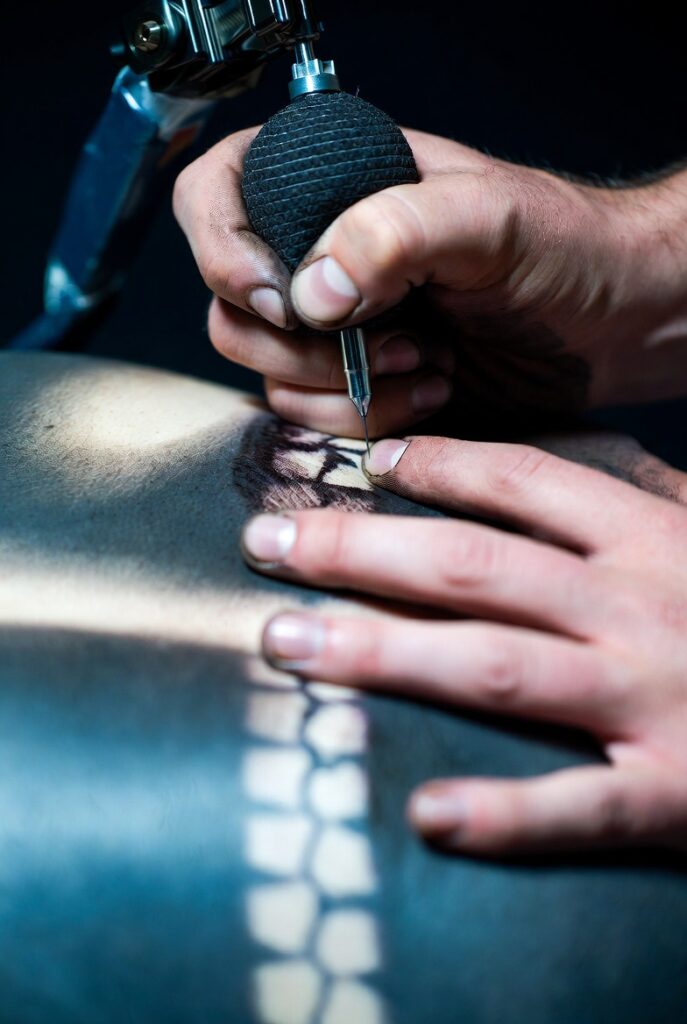
If you’ve ever wondered why spine tattoos have a reputation, here’s your answer. Tattooing directly over the spine is one of the most painful placements, and pain generally decreases the further you move away from it. A vertical spine piece means sitting through pain that doesn’t let up for the entire session. Tattooing 101
9. Head and Scalp
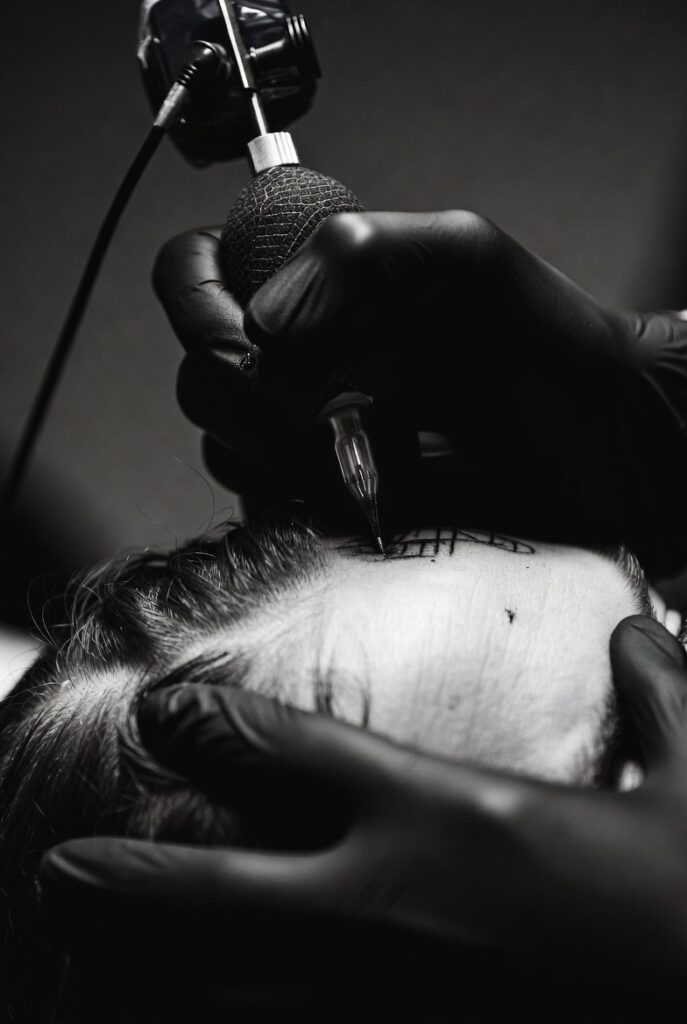
Bold, striking, and easy to hide — but not easy to sit through. Most areas of the head have very thin layers of skin, fat, and muscle, which makes it an especially painful place to tattoo, and it’s happening just inches from your ear. Hush Anesthetic
10. Lips
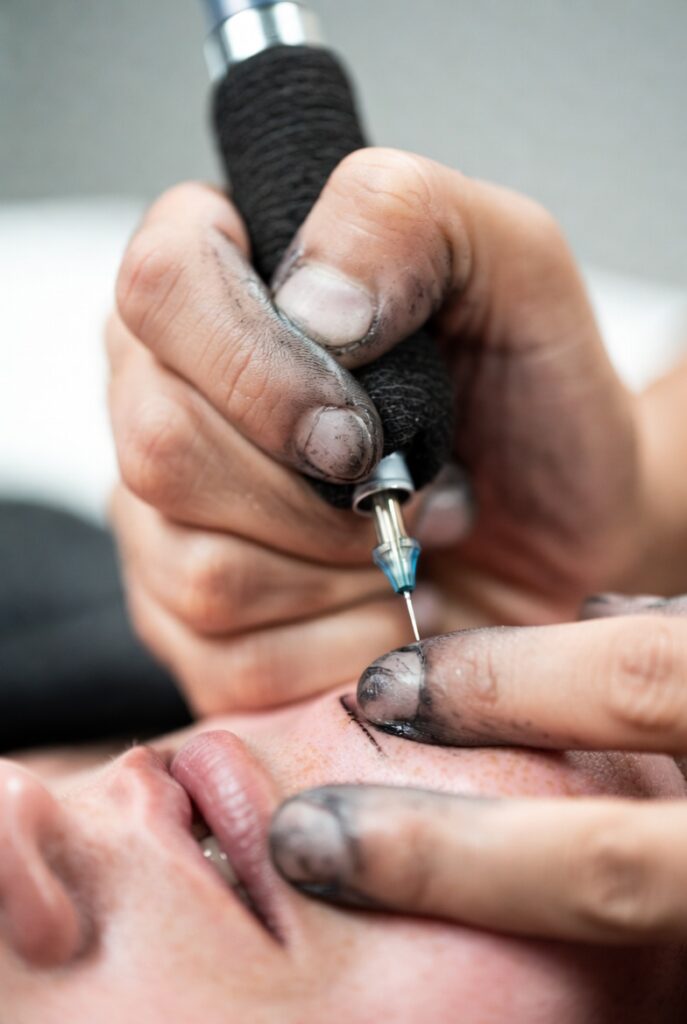
Small in size, big in discomfort. Lips are known for swelling and bruising after tattooing, and stretching the skin across the center of the neck and mouth area adds extra sensitivity. This is one of the few spots where the pain during healing can rival the pain of the session itself. Tattooing 101
11. Groin and Inner Thigh
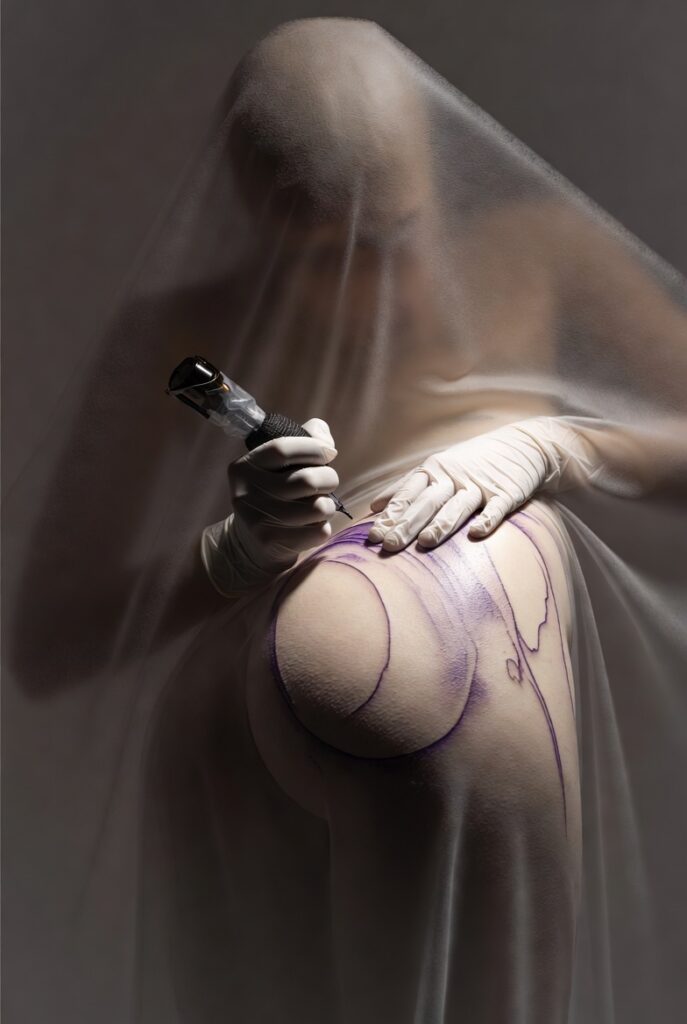
Understandably, this one tends to top people’s “no thank you” list. The groin and inner thigh are incredibly sensitive tattoo spots due to high nerve density and soft skin, and the pain here is sharp and tends to linger long after the needle stops. Mantra Tattoo & Piercing
12. Nipples and Chest Tissue
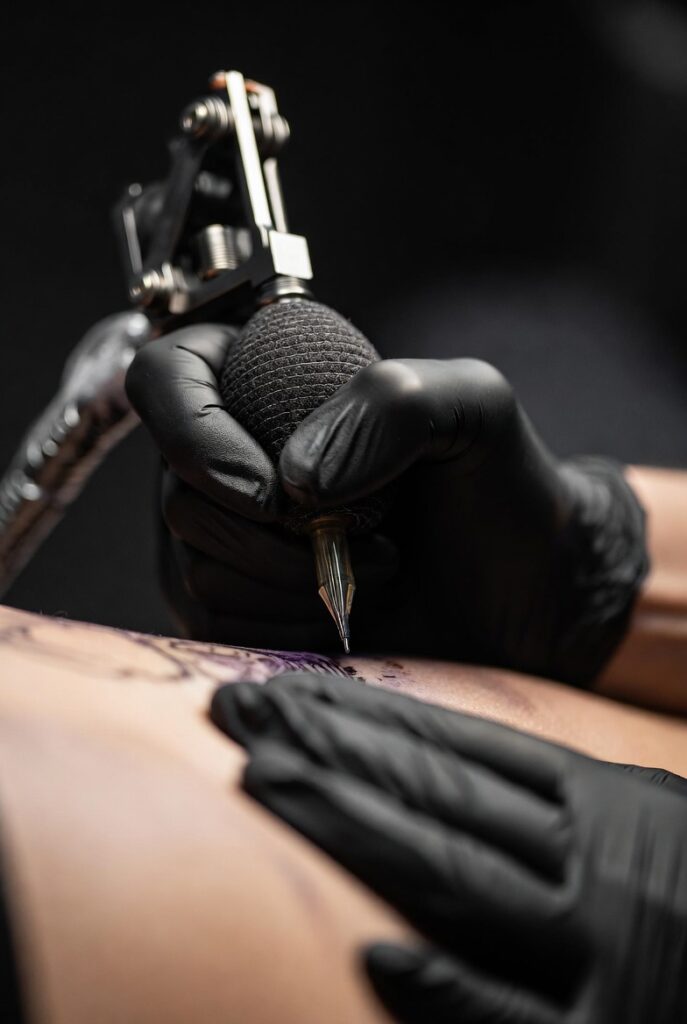
If you’re planning a chest piece that runs close to the nipple, brace yourself. Tattoo placement near the breasts or nipples can be especially painful due to the high concentration of nerve endings in the area, and men also carry increased nipple sensitivity, though typically less intense than women experience. Hush Anesthetic
13. Ankle (Bone Side)
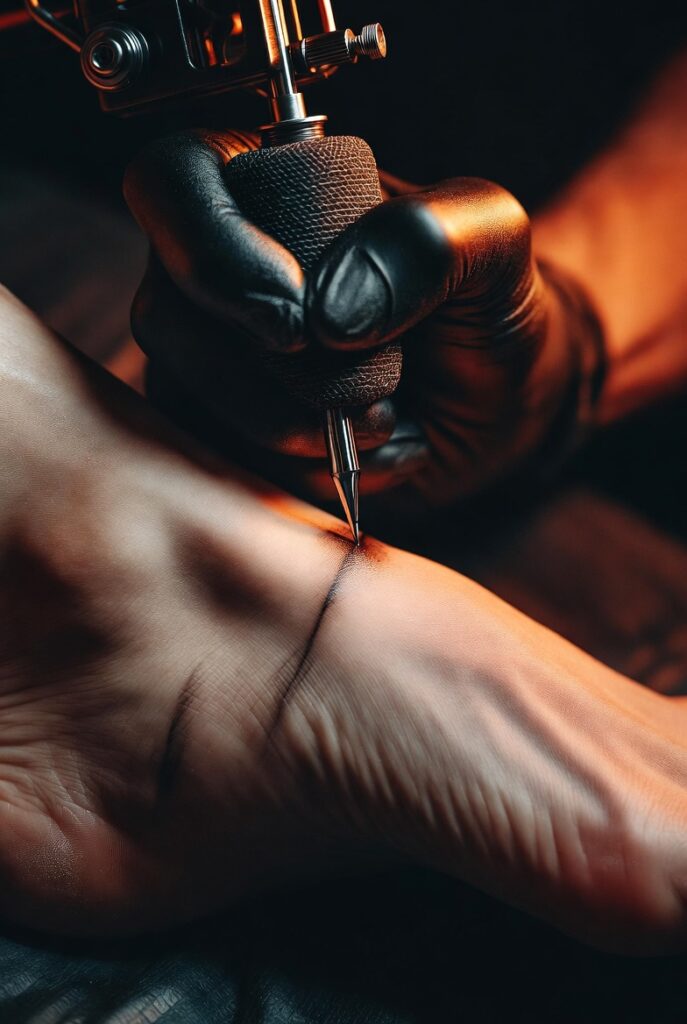
Similar to the feet, the bony inner and outer ankle offers almost no soft tissue to soften the impact. This spot is popular for small, delicate designs — but the thin skin over the ankle bone makes even quick sessions surprisingly sharp.
14. Inner Bicep
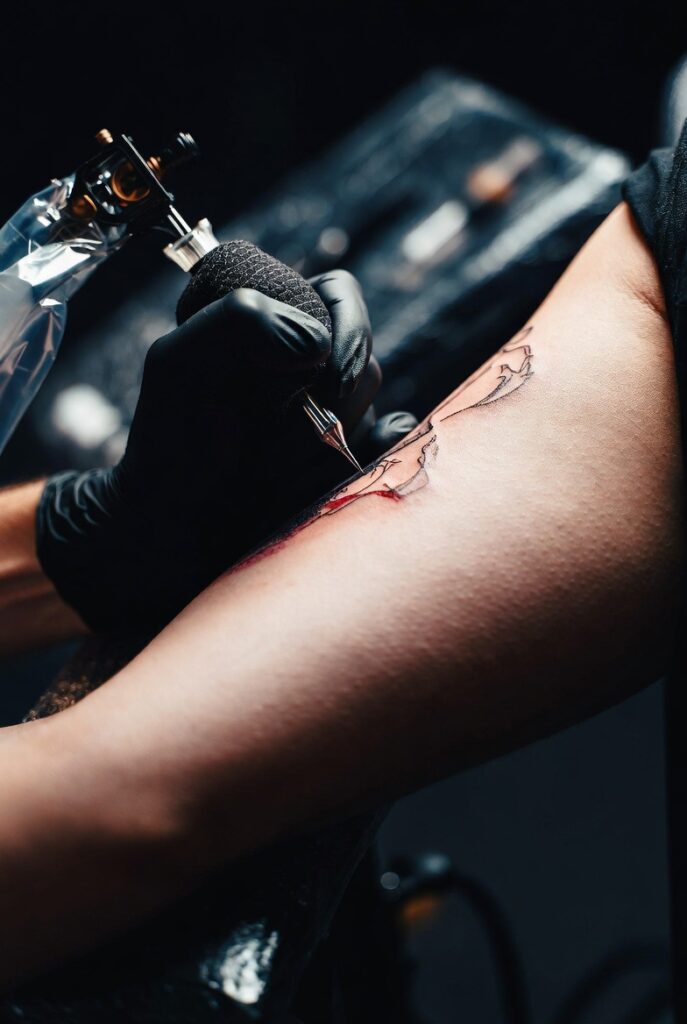
Unlike the outer arm (a common beginner-friendly spot), the inner bicep is a different story. The inner bicep is a known pain spot because of the soft, loose skin around the muscle and the number of nerve endings, which can send pain radiating down the entire arm when pinched by the needle. Ink Nurse
15. Underboob and Sides of the Ribcage
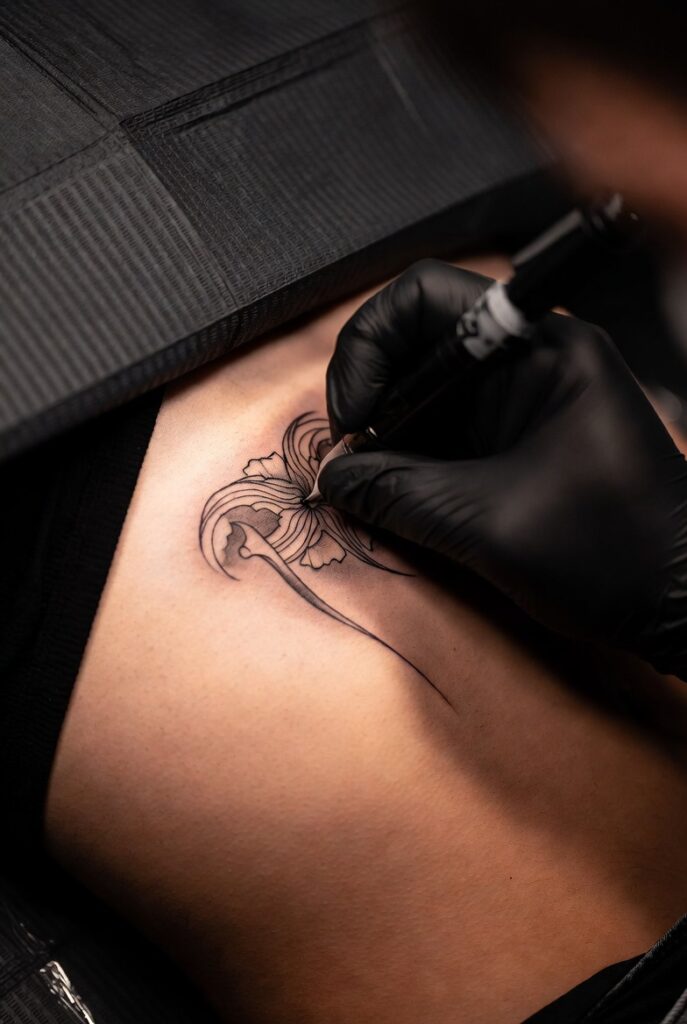
An increasingly popular placement for florals and script — and a genuinely tough one. This area shares the ribcage’s thin skin and low fat padding, plus added sensitivity from nearby breast tissue, making both the session and the healing process demanding.
16. Hips (Directly on Bone)
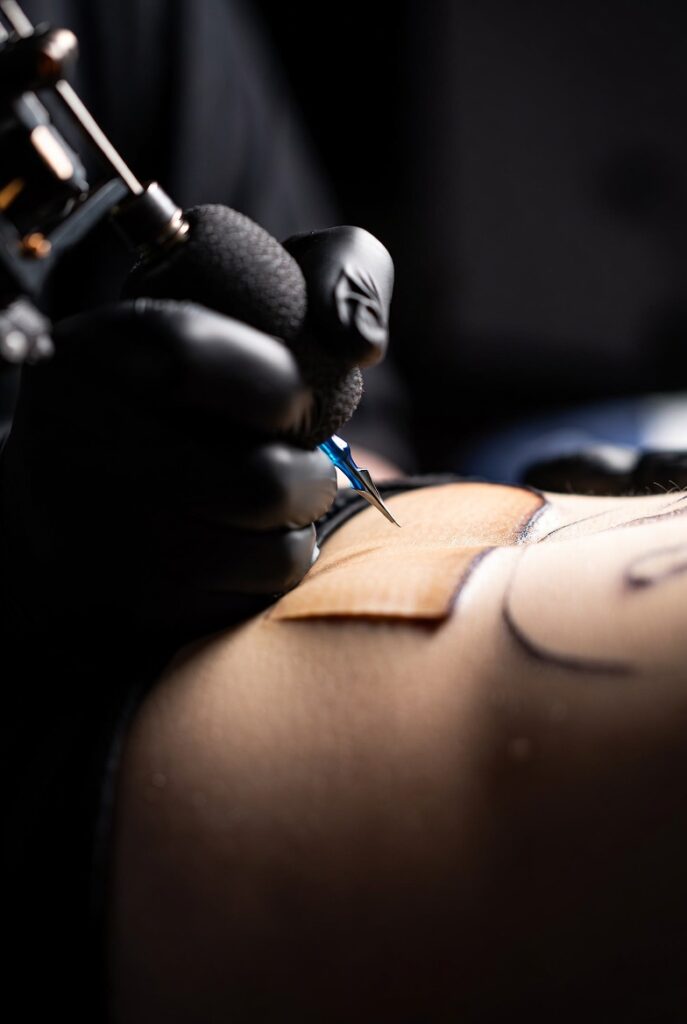
Hip tattoos that sit right along the hip bone bring noticeably more pain than those placed slightly off to the side. Hip tattoos positioned right on the bone can cause significant pain, especially for people without much natural body fat to cushion the area. Tatt2Away
Quick-Reference Pain Chart
| Rank | Body Part | Pain Level (1–10) |
|---|---|---|
| 1 | Ribs | 9 |
| 2 | Armpit | 9 |
| 3 | Sternum | 9 |
| 4 | Elbows / Kneecaps | 8 |
| 5 | Hands / Fingers | 8 |
| 6 | Feet / Ankles | 8 |
| 7 | Neck / Throat | 8 |
| 8 | Spine | 8 |
| 9 | Head / Scalp | 7 |
| 10 | Lips | 7 |
| 11 | Groin / Inner Thigh | 7 |
| 12 | Nipples / Chest | 7 |
| 13 | Ankle Bone | 7 |
| 14 | Inner Bicep | 6 |
| 15 | Underboob / Rib Sides | 6 |
| 16 | Hip Bone | 6 |
Read also:19 Tattoo Ideas for Women in 2025: Meaningful, Feminine & Trend-Forward Designs
(Ratings are a general guide , pain tolerance is highly individual.)
How to Make a Painful Placement More Bearable
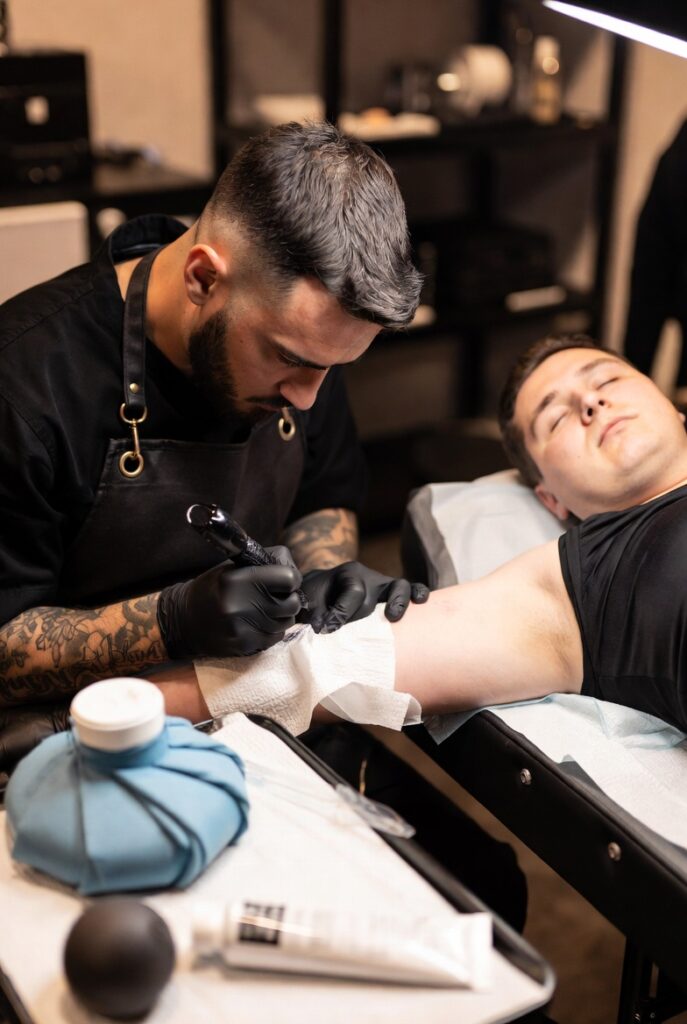
A few practical, non-medical tips that make a real difference:
- Sleep well and eat beforehand. Low blood sugar and exhaustion both lower your pain tolerance significantly.
- Break up large pieces. Multiple shorter sessions are far easier to tolerate than one marathon appointment on a sensitive spot.
- Bring distraction. Music, conversation with your artist, or even a podcast can shift your focus away from the sensation.
- Avoid alcohol and blood-thinning medication before your appointment — both increase bleeding and, indirectly, discomfort.
- Talk to your artist. Experienced artists can adjust technique, speed, and needle grouping to reduce sharp or vibrating pain, especially over bony areas.
Frequently Asked Questions
What’s the single most painful place to get a tattoo?
Most rankings agree the ribs, armpit, and sternum sit at the very top, thanks to thin skin, dense nerve clusters, and little to no fat cushioning.
Is tattoo pain the same for everyone?
No. Pain tolerance varies by individual, and factors like age, anxiety level, and even biological sex can influence how intensely someone feels the same tattoo.
Do numbing creams actually work?
Many people find topical numbing products noticeably reduce discomfort, especially on high-pain spots like the ribs, feet, or spine. Always check with your artist before use, since some studios have policies around numbing products affecting ink saturation.
Is a painful spot worth it for the right design?
For most people, yes. The pain from even the toughest placements typically lasts only as long as the session itself, while the tattoo lasts a lifetime.
Final Thoughts
Pain is part of the tattoo experience — but it doesn’t have to be a mystery, and it definitely shouldn’t be the deciding factor that keeps you from the design you actually want. Understanding which spots hurt more (and why) means you can plan smarter, prepare properly, and walk into your next session with confidence instead of dread.
Save this guide before your next appointment — you’ll want it as a reference when you’re mapping out placement with your artist.
ge the texture of the skin, making it harder for the artist to work.