You got a black tattoo because you wanted something bold, permanent, and unapologetically solid. So why, five years later, does that once-jet-black ink look more like faded denim than fresh ink?
Here’s the truth nobody tells you at the shop: no tattoo is truly permanent. Not even black ones. Black tattoos fade slower than color tattoos — but they still change. The good news? Most of that fading is predictable, explainable, and largely preventable if you know what’s actually happening under your skin.
Let’s break down exactly why black ink fades, what’s normal versus what’s not, and the specific habits that will keep your black work looking rich and saturated for decades instead of years.
Does Black Tattoo Ink Really Fade?

Yes — but slower than almost every other color. Black ink is typically made with carbon-based pigment, which is denser and more chemically stable than the dyes used in reds, yellows, and pastels. That’s why black and grey work is often the go-to recommendation for anyone who wants a tattoo that “holds” over time.
That said, “slower to fade” isn’t the same as “never fades.” Give it ten, twenty, or thirty years, and even the deepest black tattoo will soften. Many people describe old black tattoos as taking on a bluish-grey or greenish tint rather than staying pure black — that’s a real, documented shift, not just your imagination.
Save this for later: Black ink doesn’t disappear — it transforms. Understanding the transformation is how you slow it down.
The Real Reasons Black Tattoos Fade

There are four main forces working against your tattoo, and none of them are things your artist did “wrong.”
1. Your Skin Is Constantly Renewing Itself
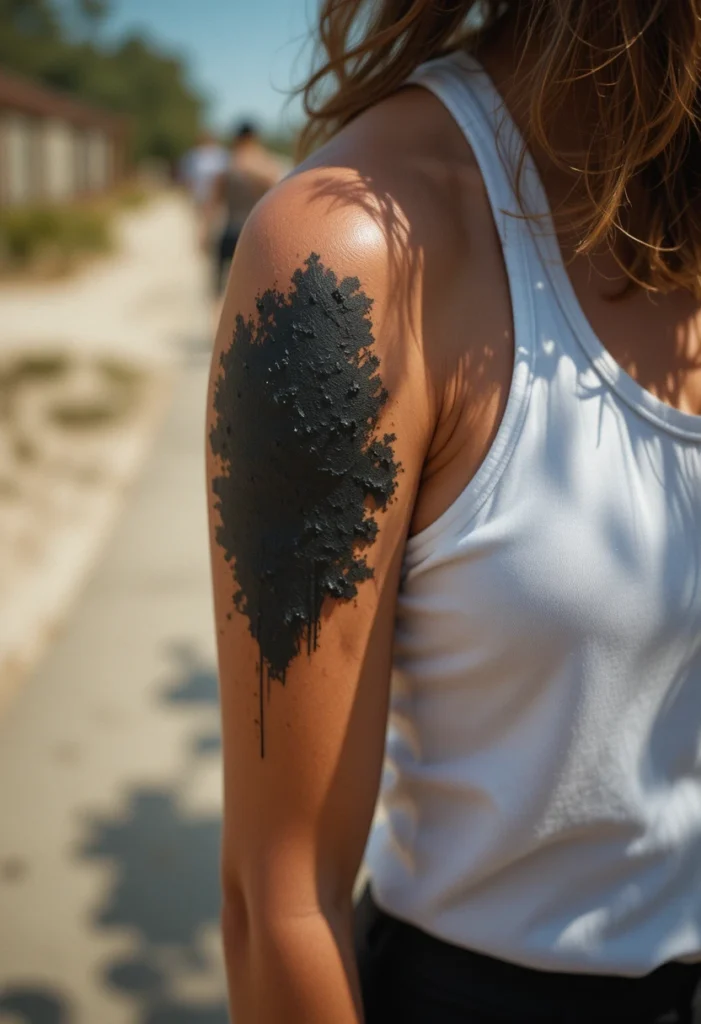
Tattoo pigment lives in the dermis — the second layer of skin, sitting beneath the epidermis. This placement matters enormously. The epidermis above it sheds and regenerates roughly every four to six weeks. If ink sat in that top layer, tattoos would vanish within months. Instead, your body locks pigment into the more stable dermis, which is why tattoos last for decades rather than weeks.
But “stable” doesn’t mean “static.” As you age, the dermis itself changes — collagen breaks down, skin loses elasticity, and the structure holding those ink particles in place gradually shifts. That’s part of why a 20-year-old tattoo looks different than the same design would look brand new.
2. Your Immune System Is Quietly Attacking the Ink
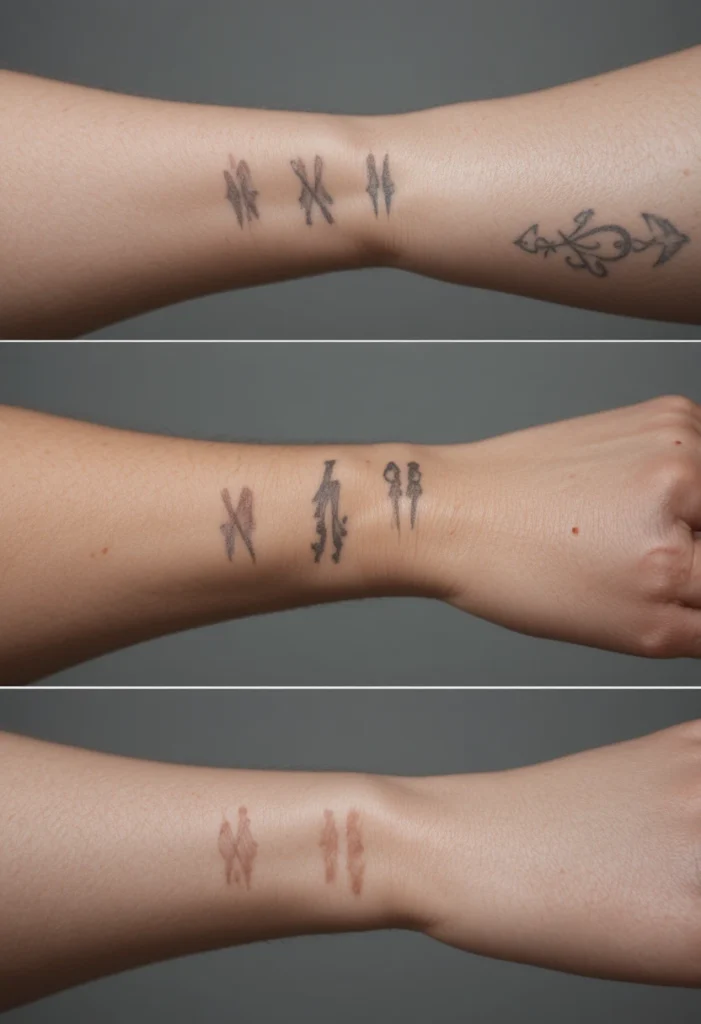
This one surprises most people: your body treats tattoo ink as a foreign invader from the moment the needle punctures your skin. Specialized immune cells called macrophages rush to the area and try to engulf and break down the ink particles.
Most ink particles are too large for a macrophage to fully digest or remove, so they mostly just stay put. But some particles do get carried away over time, and old macrophages carrying trapped pigment eventually die off — with new macrophages arriving to repeat the cycle for years. This slow, ongoing immune response is a major reason tattoos lighten with age, even ones that were never exposed to excess sun.
3. UV Exposure Is the Single Biggest Accelerant

If sun exposure is the villain of tattoo fading, black ink is its most frequent target simply because black tattoos tend to be worn longer and are often larger, bolder pieces that see more daylight.
UV radiation breaks down pigment molecules directly and speeds up photoaging — the same process responsible for wrinkles and sunspots. This double impact matters for tattoos in two ways:
- It physically degrades the ink itself
- It ages the skin sitting over the ink, making the tattoo look duller even if the pigment hasn’t changed much
This is why a black tattoo on a sun-exposed forearm often looks noticeably more faded than an identical tattoo on a torso or thigh that rarely sees direct light — even if both were done the same year.
4. Placement, Technique, and Skin Type All Play a Role
Read also:13 Small Collarbone Tattoo Ideas That Are Almost Too Pretty to Cover Up
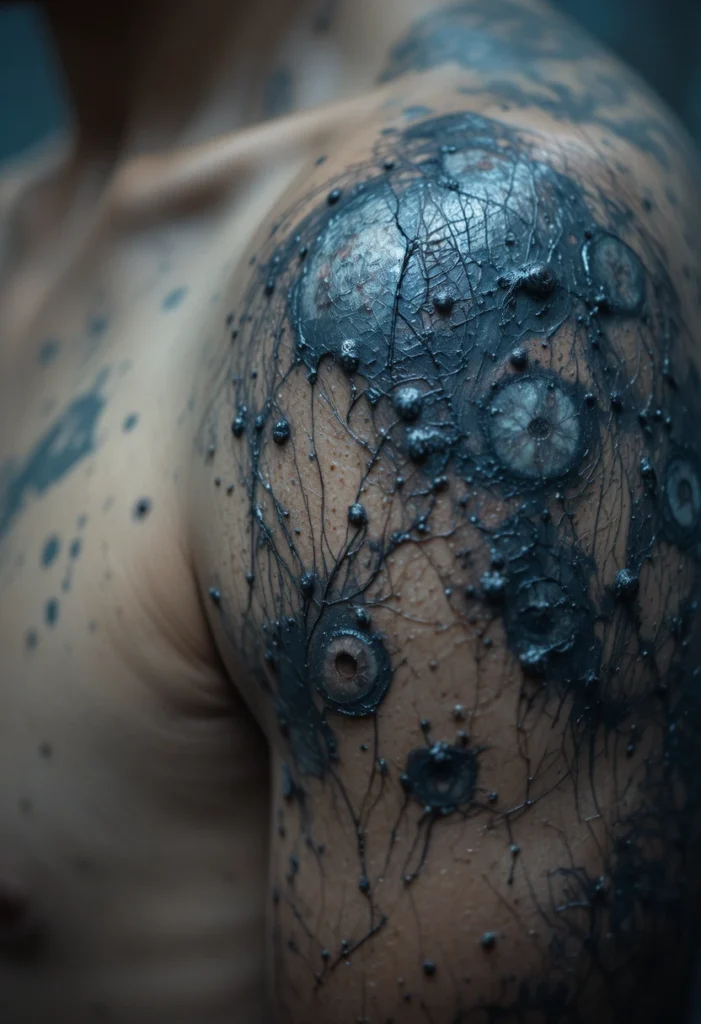
Not every tattoo fades at the same rate, even with identical aftercare. A few variables stack the odds for or against you:
- Placement: Hands, fingers, feet, and other high-friction, high-exposure areas fade fastest due to constant washing, rubbing, and sun contact
- Ink saturation and technique: A thin, shallow application fades faster than solid, well-packed linework — this is the science behind the old tattoo saying “bold will hold”
- Skin type: Naturally oily or thicker skin tends to hold pigment longer than thin or very dry skin
- Individual immune response: Some people’s bodies simply process foreign pigment more aggressively than others
Normal Aging vs. Premature Fading — How to Tell the Difference

Here’s where a lot of people panic unnecessarily. A little softening after several years is completely normal and expected — it doesn’t mean anything went wrong. What’s not normal is fading that happens within weeks or months of getting the tattoo, especially paired with blotchy, patchy, or uneven color loss.
Signs of normal, expected aging:

- Gradual softening over 5+ years
- A slight shift from pure black toward blue-grey
- Very subtle blurring of fine linework
Signs something’s off (worth a chat with your artist):
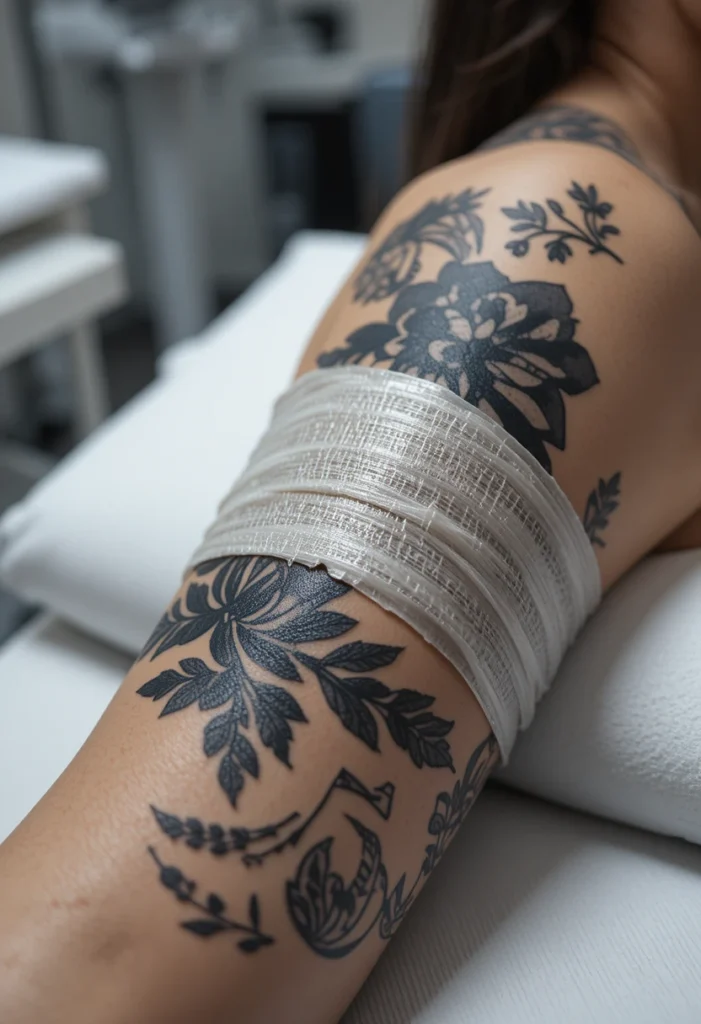
- Noticeable fading within the first year
- Patchy spots where ink seems missing entirely
- Fading concentrated in one area while the rest stays crisp
If you’re seeing the second list, it’s usually tied to healing complications, an amateur application, or aggressive sun exposure early on — not something you did wrong going forward.
How to Keep Your Black Tattoo Looking Sharp for Decades

This is the part that actually changes your outcome. None of these habits are complicated, but consistency is everything.
1. Sunscreen is non-negotiable — once healed.
Once your tattoo is fully healed (usually 2–3 weeks), apply a broad-spectrum, SPF 30+ sunscreen any time it will be exposed to daylight, and reapply every couple of hours outdoors. Never apply sunscreen to a fresh, unhealed tattoo — that’s a different stage entirely.

2. Cover it when you can’t reapply.
Loose, breathable clothing is a free, zero-effort sunscreen backup. If you’re going to be outside for hours, coverage beats occasional reapplication every time.
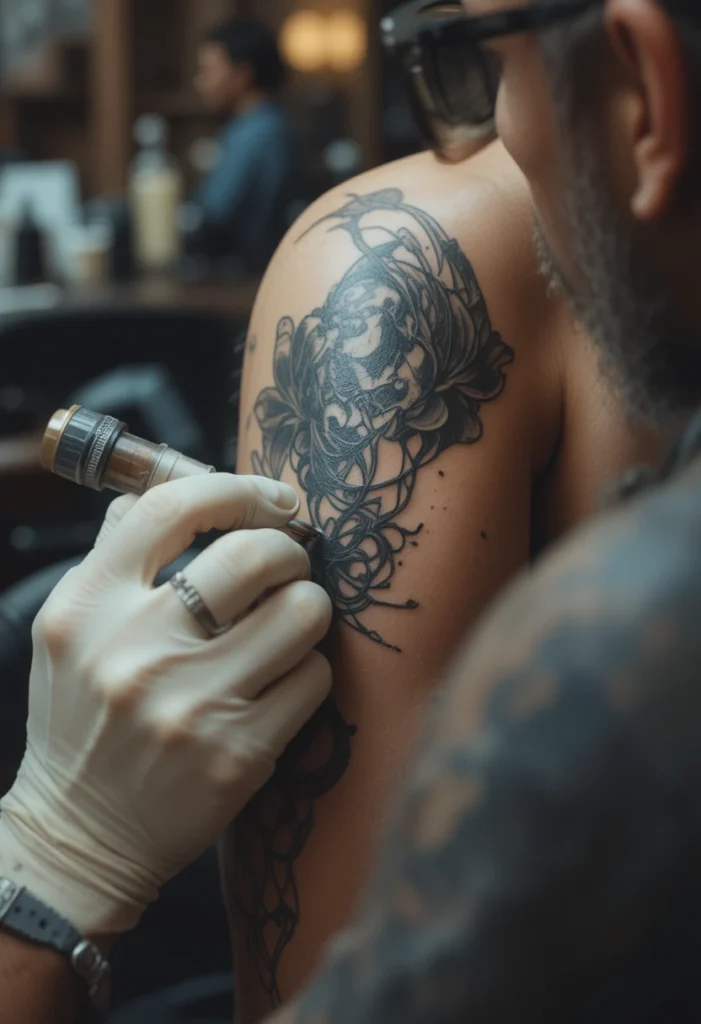
3. Moisturize with the right products.
Keep tattooed skin hydrated with a fragrance-free, water-based moisturizer. Dry, cracking skin fades pigment faster than well-hydrated skin does — the tattoo will only ever look as good as the skin underneath it.
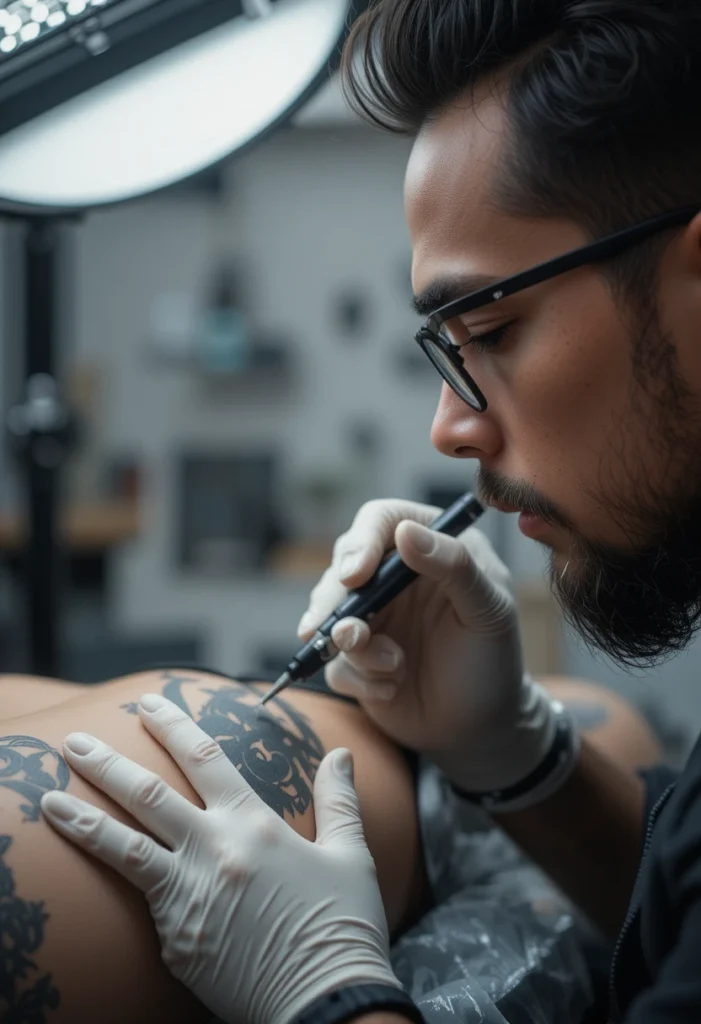
4. Respect the healing window completely.
Skipping steps during those first few weeks — picking scabs, over-scrubbing, soaking in pools or hot tubs — sets the stage for uneven, premature fading years down the line. Good early healing is an investment in how the tattoo looks at year ten, not just week two.
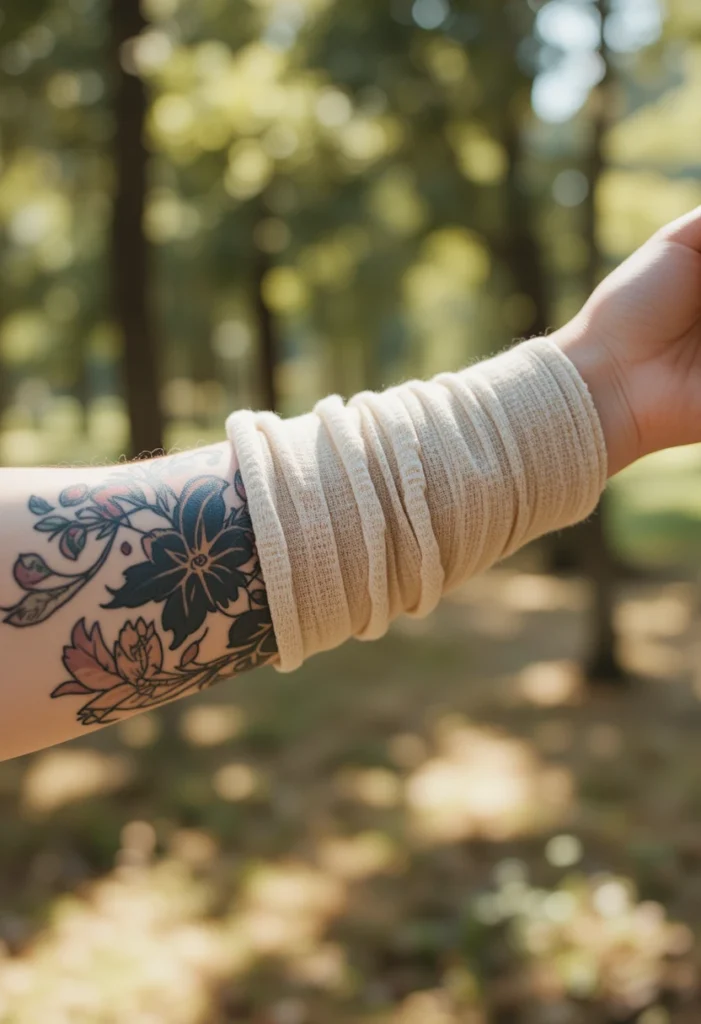
5. Support your skin from the inside.
Drinking enough water, eating well, and avoiding smoking all support the collagen and elasticity that keep pigment locked in place. Smoking in particular reduces collagen production, which can make ink more prone to shifting and fading over time.
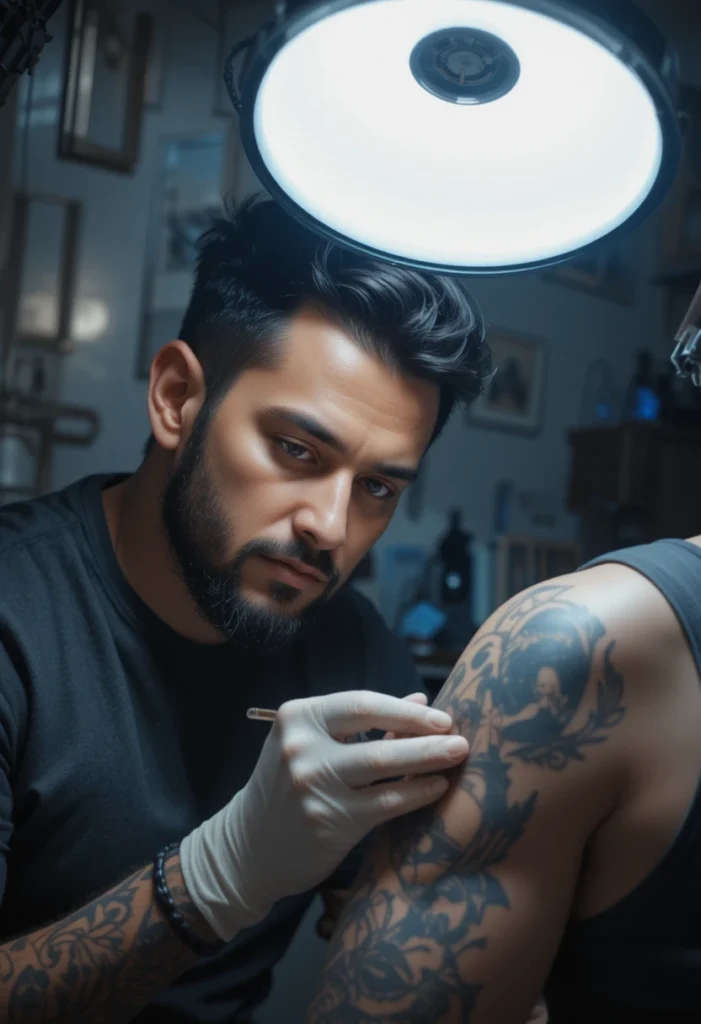
6. Choose placement strategically for future pieces.
If longevity matters to you, favor areas with less friction and sun exposure — torso, upper arm, thigh — over hands, feet, or fingers, which fade noticeably faster no matter how well you care for them.

7. Plan for a touch-up, not a failure.
Even with perfect care, most black tattoos benefit from a touch-up somewhere between year 8 and year 15. This isn’t a sign anything went wrong — it’s normal maintenance, the same way you’d repaint a fence or refinish hardwood floors. A single session with a skilled artist can restore depth and crispness dramatically.
When to Consider a Touch-Up or Rework
If your black tattoo has faded to the point where lines look blurry or the black reads more as dark grey, you generally have three options:
- A simple touch-up — reworking existing lines and re-saturating black areas, ideal for tattoos that are still structurally intact but have lost vibrancy
- A partial rework — adding shading, background, or new elements to refresh an older piece while keeping the original design’s spirit
- A full redesign — for tattoos that have distorted significantly or no longer match your style, sometimes it makes more sense to build something new around the existing linework
Whichever route you choose, bring photos of the tattoo from when it was fresh if you have them — it gives your artist a real reference point for how much has actually changed.
Frequently Asked Questions
Does black ink fade faster than color ink?
No — it’s the opposite. Black ink is generally the most stable and longest-lasting tattoo color because of its dense, carbon-based pigment. Lighter colors and pastels fade significantly faster.
Why does my black tattoo look blue or grey now?
This color shift is a well-documented, normal part of aging tattoos. It happens as pigment particles settle deeper and disperse slightly within the dermis, combined with how light interacts with skin that has changed over the years.
Can I completely stop a tattoo from fading?
No tattoo is 100% immune to fading over a lifetime — but consistent sunscreen use, proper hydration, and healthy healing can dramatically slow the process, often by years or even decades.
How soon can a black tattoo start to look faded?
Some very early “fading” during the first month is actually just normal healing (peeling skin, temporary dullness) — not real pigment loss. True fading from aging and sun exposure typically becomes visible starting around the 5-to-10-year mark.
Is a touch-up expensive compared to the original tattoo?
Touch-ups are almost always far less expensive and time-consuming than the original session, since the artist is refreshing existing linework rather than creating a design from scratch.
The Bottom Line
Black tattoos age slower than almost anything else you can put on your skin — but they still age. The combination of your immune system, natural skin renewal, and UV exposure means some softening over the years is simply part of the deal. What’s actually in your control is how much and how fast that fading happens.
Consistent sunscreen, good hydration, smart placement, and a touch-up when the time comes will keep your black work looking deep and defined for far longer than doing nothing at all. Your tattoo is a lifelong relationship — treat it like one.