Your tattoo looked flawless the day you walked out of the studio. Bold lines, saturated color, that “fresh ink” glow. Then a few months — or a few years — go by, and something’s off. Maybe you can’t quite name it. Maybe you can.
Here’s the thing: almost every tattoo needs a touch-up eventually, and knowing exactly when to book one can be the difference between a quick 20-minute fix and a full, expensive rework. Wait too long, and small fading turns into a piece that needs to be re-saturated from scratch. Go in too early, and you risk irritating skin that hasn’t finished healing.
Below are the 15 clearest signs your tattoo is asking for a touch-up — and the one sign, near the very end, that most people completely overlook until it’s too late.
Save this guide so you can check back the next time you’re standing in front of the mirror wondering, “does this need fixing?”
What Is a Tattoo Touch-Up, Actually?
A touch-up is a short session where your artist goes back over an existing, healed tattoo to correct faded color, sharpen blurred lines, or fill in spots where ink didn’t fully take. It’s not the same as a refresh (done years later on an aging piece) or a cover-up (which replaces the design entirely). Think of it as maintenance, not a redo.
Read More : 18 Daisy Tattoo Ideas That Prove Simple Can Still Be Stunning
When Can You Actually Get One? Timing Matters More Than People Think
Before you even think about signs and symptoms, there’s one hard rule: your tattoo has to be completely healed first.
- Small tattoos: wait a minimum of 6–8 weeks after the shiny “healing sheen” fully disappears.
- Larger or heavily colored pieces: give it up to 3 months, sometimes longer for extensive shading.
- Don’t rush it. Touching up skin that hasn’t finished its healing cycle can cause more damage than it fixes.
So what does that mean for you? It means the signs below only count after your tattoo has fully settled — not during the peeling, itching, or “is this normal” phase of week two.
15 Signs Your Tattoo Needs a Touch-Up
1. Your outlines are softening or blurring
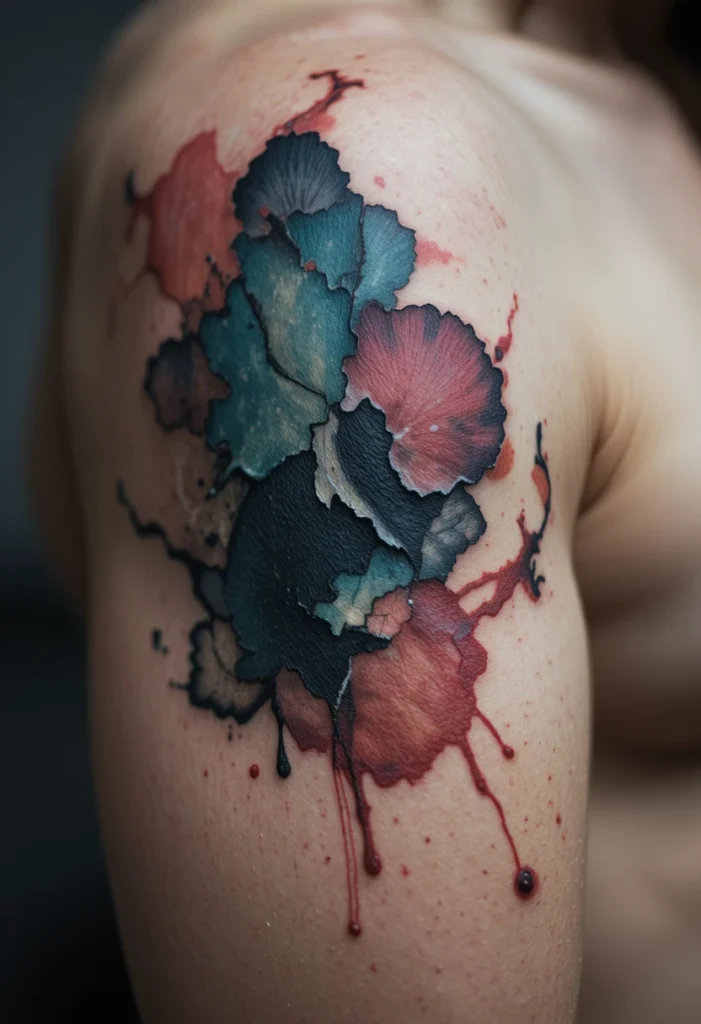
Crisp black lines that now look slightly fuzzy or “spread” are one of the most common touch-up triggers, especially on fine-line and script tattoos.
2. Color looks patchy instead of solid
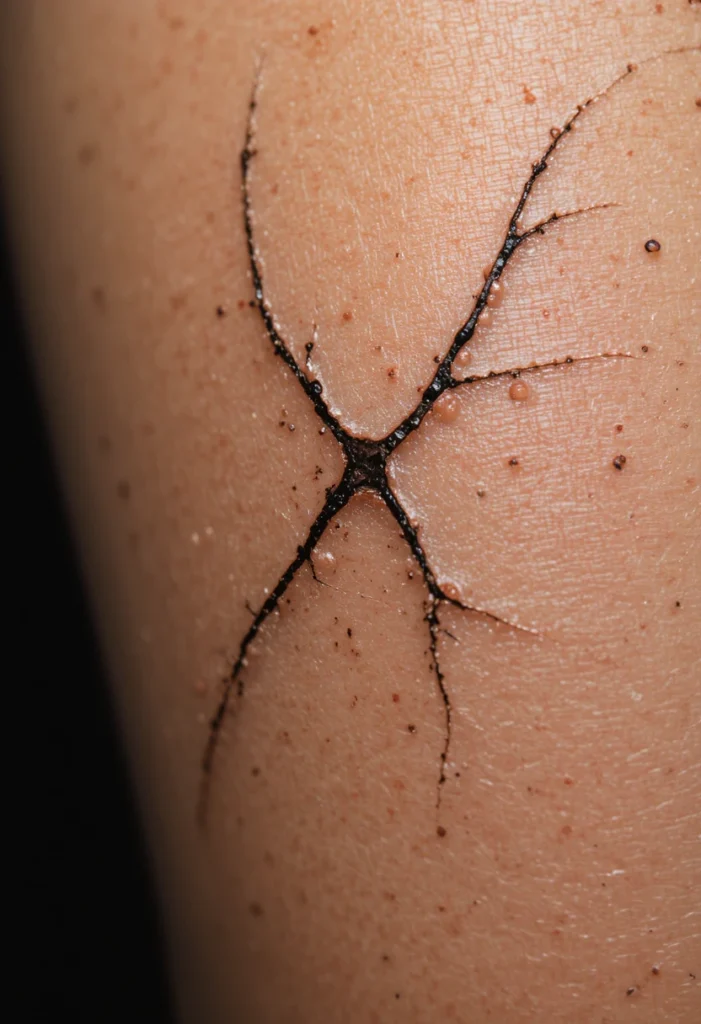
Signs It’s Time-color area looks lighter or streaky compared to the rest, the ink simply didn’t saturate evenly during healing.
3. There are small gaps where ink never took
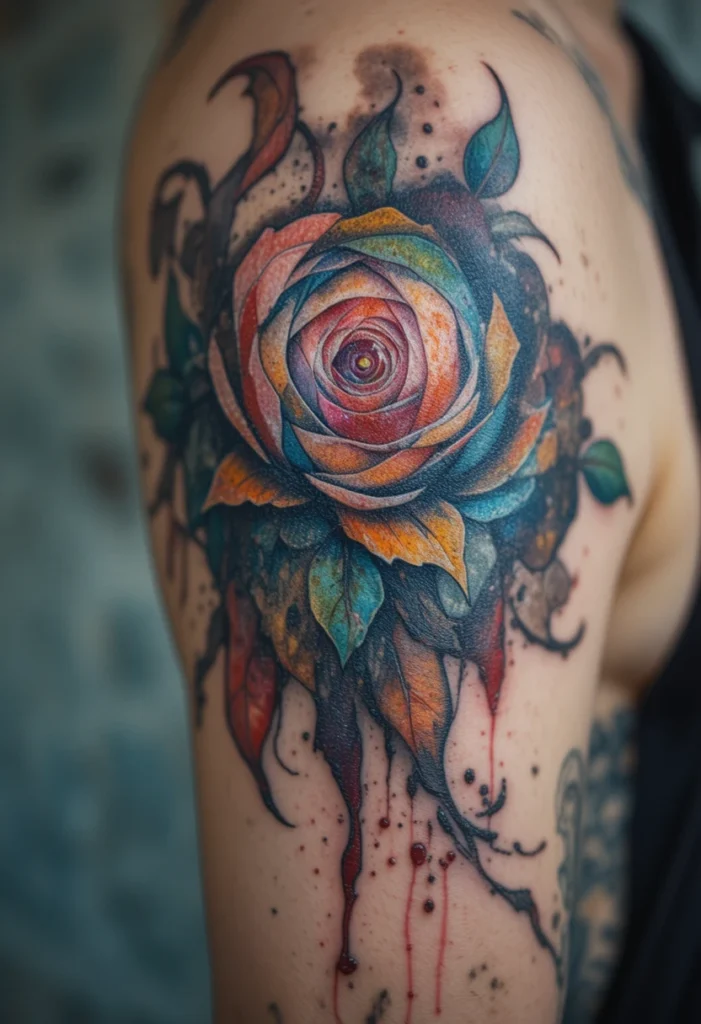
Sometimes a tiny section just doesn’t hold pigment the first time around — it’s common, and it’s an easy fix.
4. Bright colors have faded noticeably
Yellows, light pinks, oranges, and pastel tones fade faster than black or navy ink. If your brights look dull, that’s your cue.
5. You’re seeing a “blowout”
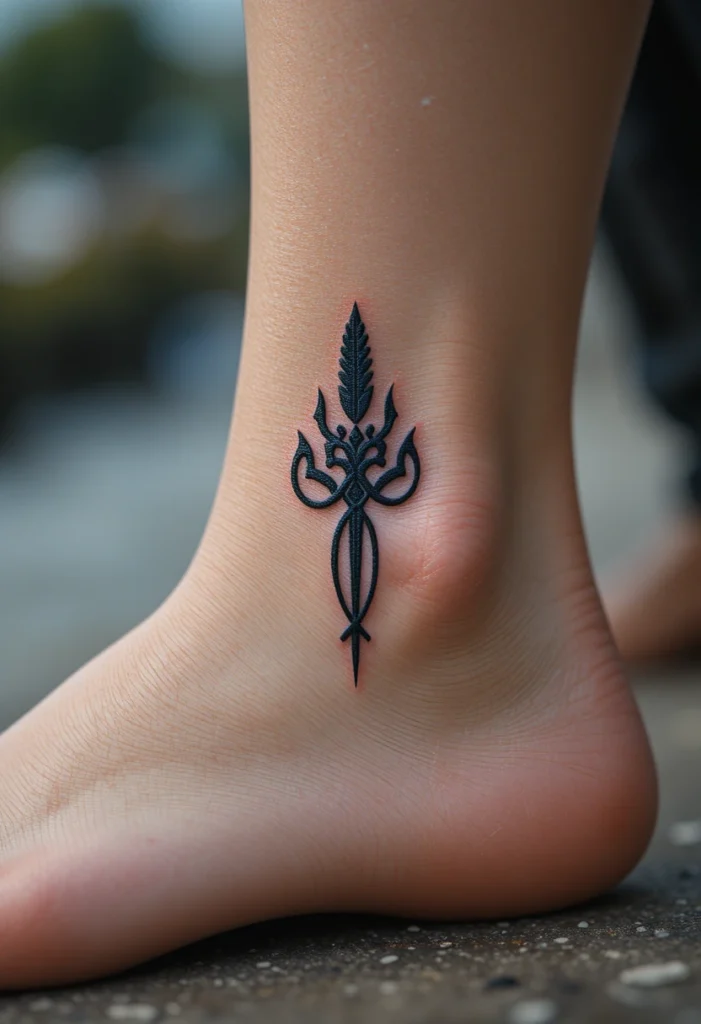
Signs It’s Timeink spreads under the skin, creating a blurry halo around a line. Blowouts don’t self-correct — they need a professional fix.
6. It’s placed somewhere high-friction
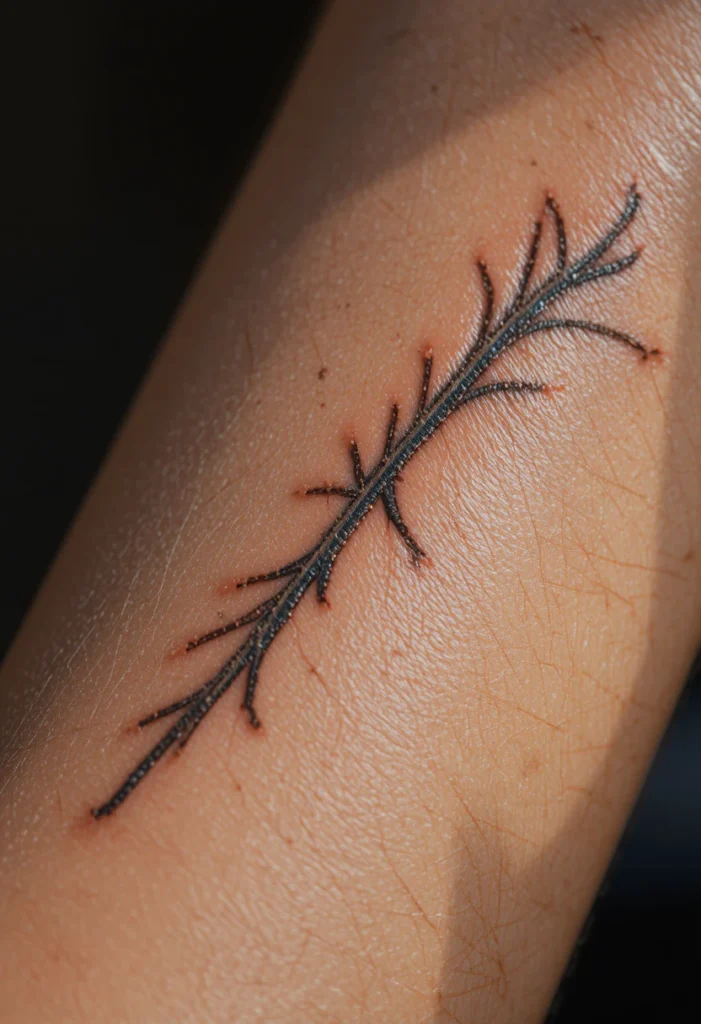
Hands, fingers, feet, and elbows take more day-to-day wear, so they lose vibrancy faster than a forearm or thigh piece ever will.
7. It’s been 5–10 years since your last session
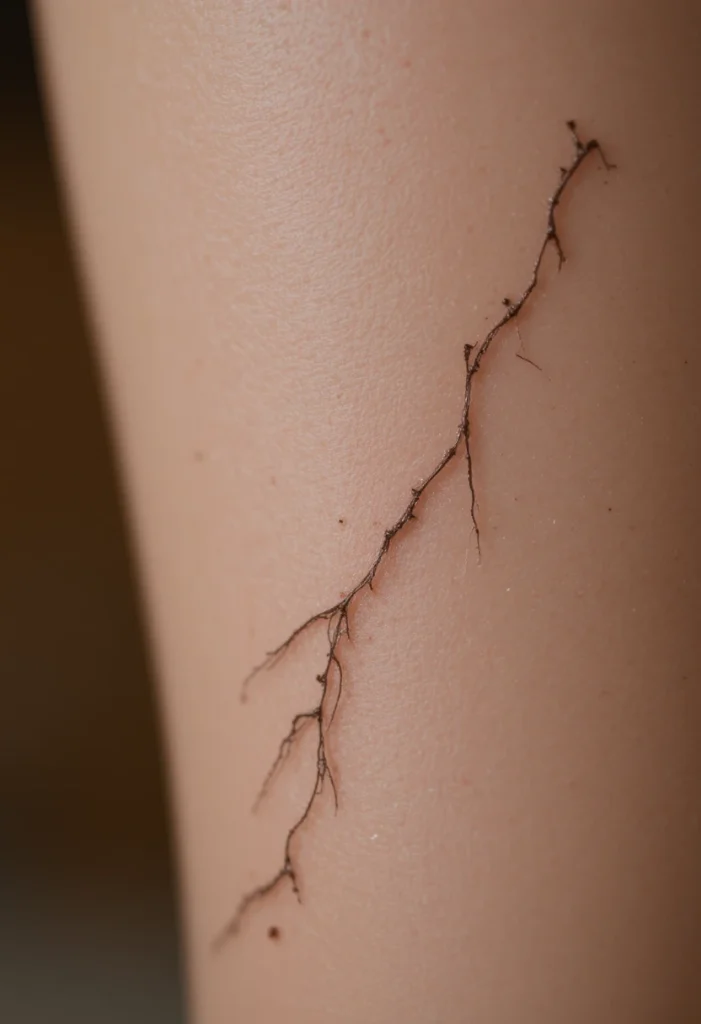
That’s the standard touch-up window for most bold, traditional tattoos.
8. It’s fine-line or delicate work — and it’s been 3–5 years
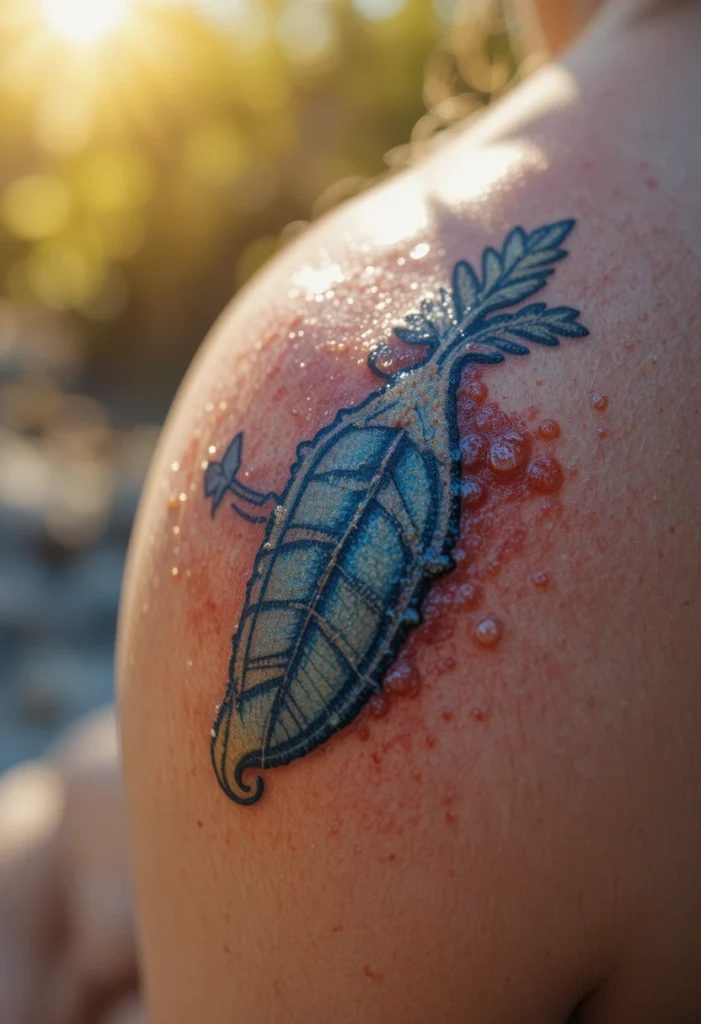
Fine-line and single-needle tattoos age faster by design, so they simply need attention sooner.
9. Sun exposure has taken a visible toll
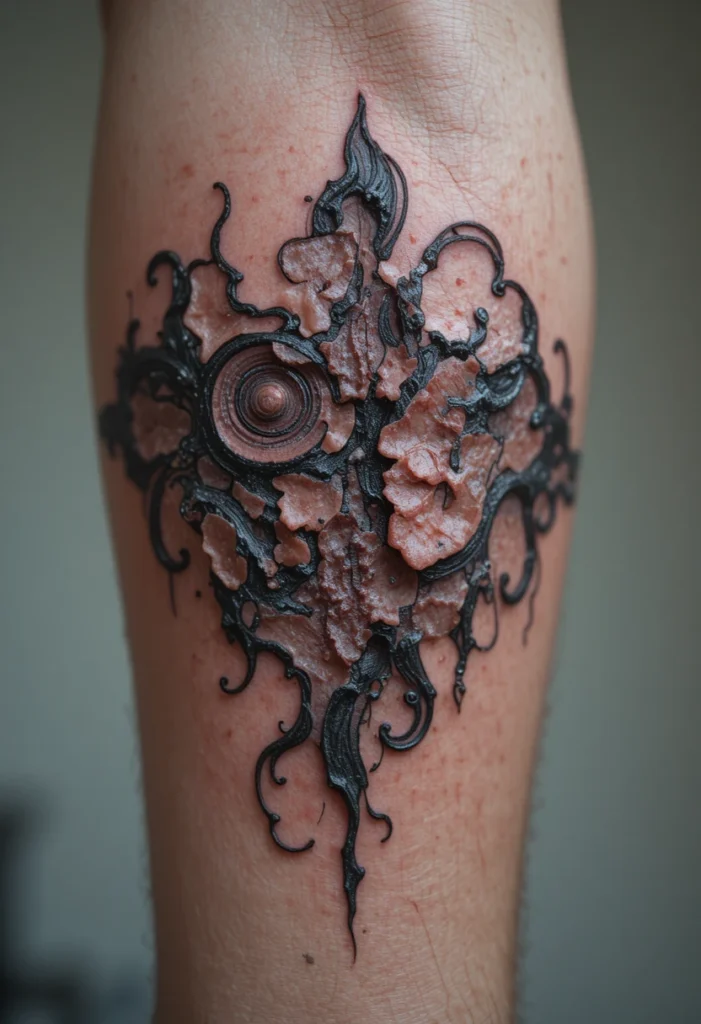
Signs It’s Time down pigment. If your tattoo sits somewhere that regularly sees the sun, fading speeds up dramatically.
10. Scarring or raised skin has distorted the design
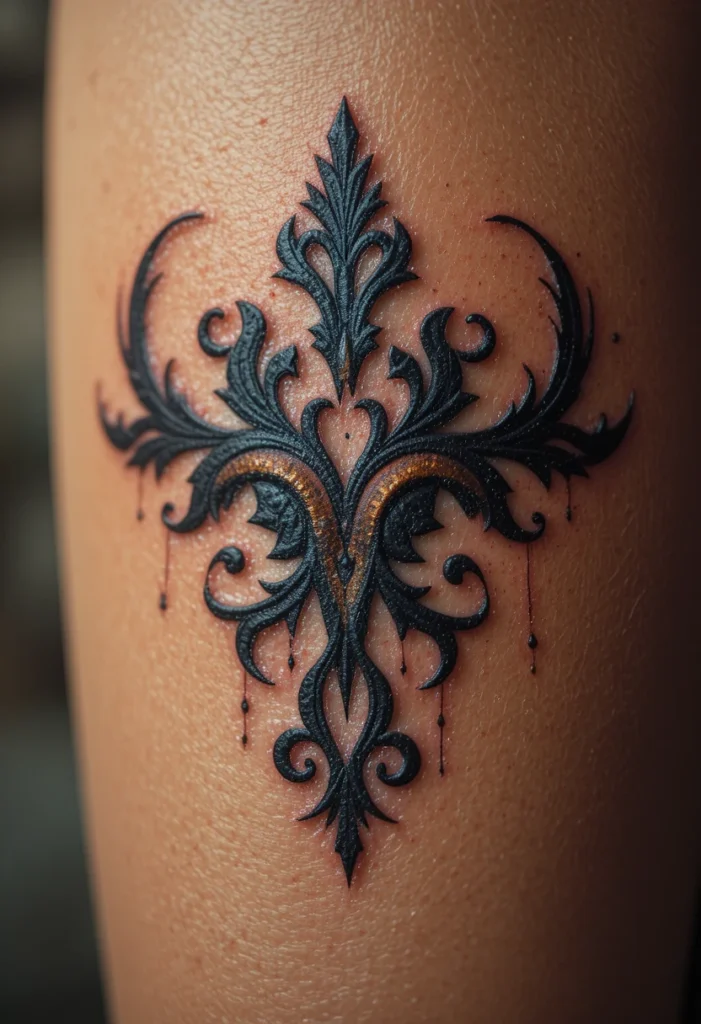
Keloid or textured scarring can pull lines out of shape. Note: the scarring itself needs medical attention first — a touch-up only addresses the tattoo’s appearance afterward.
11. Your skin has changed since the original tattoo
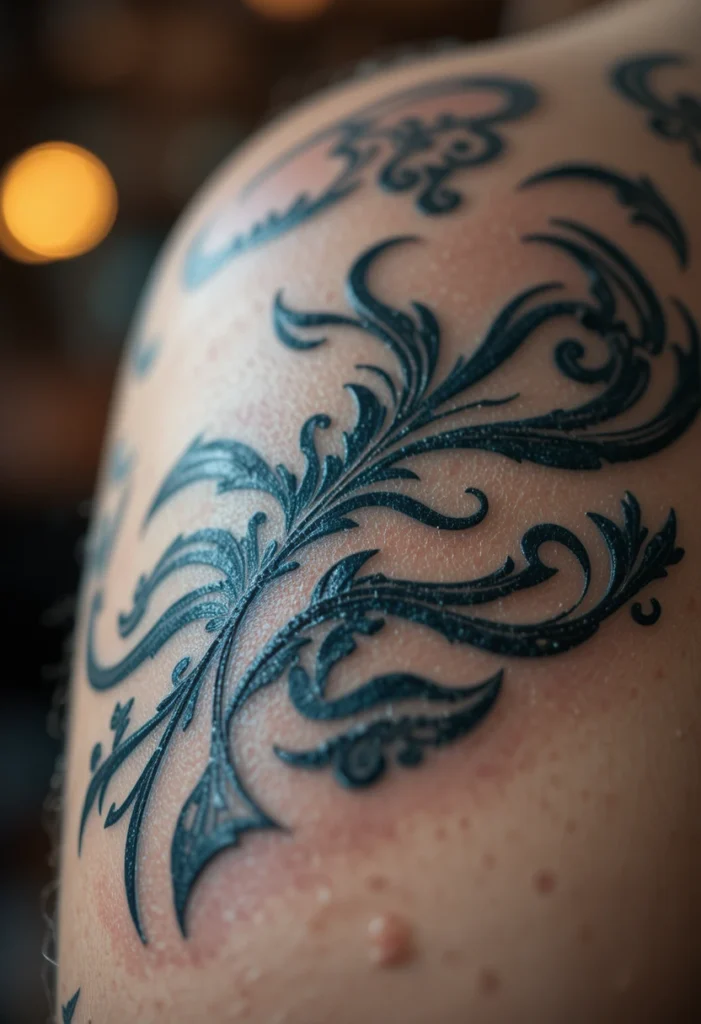
Weight changes, pregnancy, and natural skin aging can all stretch or soften a design over time.
12. You’re simply not loving how it’s aging
Not every touch-up is triggered by damage. Sometimes you just want your ink to feel like “you” again — and that’s a perfectly valid reason.
13. It healed with soft or incomplete lines from the start
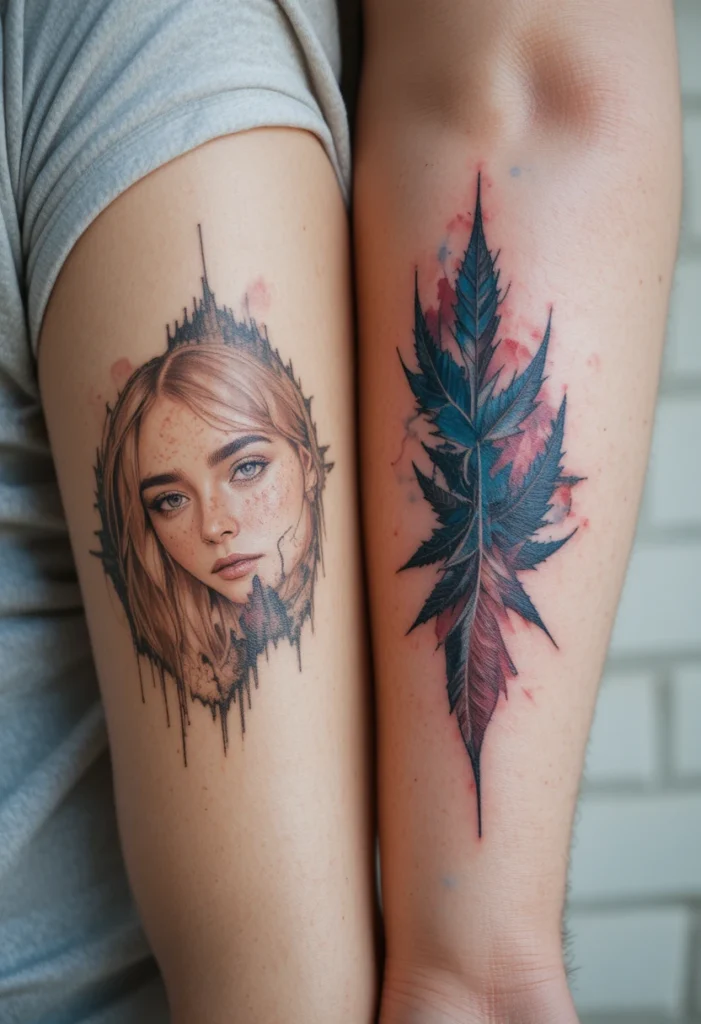
If your artist mentioned certain areas might need a follow-up pass during your original appointment, this is that moment.
14. It looks dull sitting next to newer ink
If you’ve added tattoos since, older pieces can Signs It’s Time tired by comparison — a touch-up brings the whole collection back into balance.
15. Your artist flagged it at your healing check-in
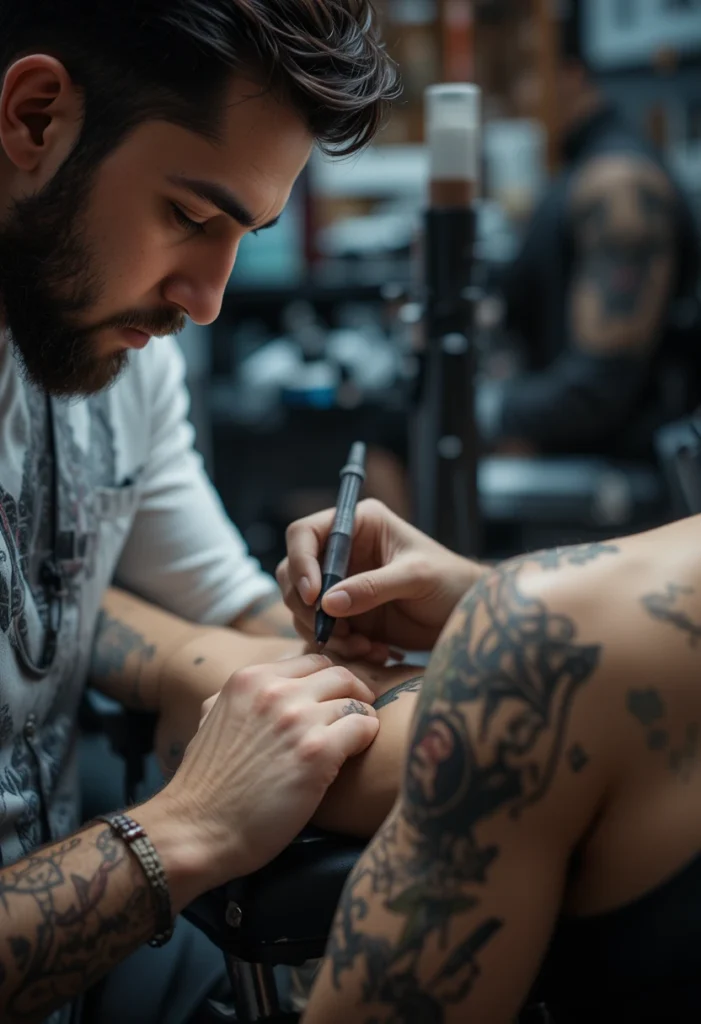
This is the sign most people skip. Many studios build a healing check-in into the process — if yours mentioned watching a specific spot, don’t wait for it to get worse. Book the follow-up.
Quick recap you can screenshot: Fading brights, blurry lines, patchy fill, high-friction placement, and the 3–10 year age mark are the five biggest touch-up triggers.
Free Touch-Up or Paid? Here’s What to Expect
This is where a lot of people get caught off guard. Policies vary by studio, but here’s the general pattern:
- Same artist, within 6–12 months: many studios offer a free or discounted touch-up, provided the fading is from natural healing rather than poor aftercare.
- Same artist, beyond that window: expect to pay, usually a smaller flat fee or a reduced hourly rate.
- A different artist entirely: plan on paying full price — they’re taking responsibility for someone else’s work, which takes more care and time.
- Typical touch-up costs run roughly $50–$250 for smaller fixes, with larger or multi-area touch-ups landing higher depending on your artist’s hourly rate.
But there’s a catch: most “free touch-up” policies only cover healing-related issues — not fading caused by sun exposure, picking at scabs, or skipping aftercare. Always ask about the policy before you book your original tattoo, not after.
How to Make Your Touch-Up (And the Original Tattoo) Last Longer
A touch-up resets the clock, but it won’t stop future fading on its own. A few habits stretch the time between sessions considerably:
- Wear SPF 30+ whenever the tattoo is exposed — sun is the single biggest cause of premature fading.
- Moisturize consistently, even years after healing, with a fragrance-free lotion.
- Avoid picking or over-scrubbing during the healing window; it’s the fastest way to guarantee patchy spots.
- Stay hydrated — healthy, well-moisturized skin holds ink noticeably better over time.
Frequently Asked Questions
Does a touch-up hurt more than the original tattoo?
Most people say it’s easier to handle. Sessions are shorter and target smaller areas, though skin with some scar tissue can feel slightly more sensitive.
How long does a touch-up take to heal?
Typically two to three weeks — often faster than the original tattoo since less skin is involved.
Can any artist touch up my tattoo?
Technically yes, but going back to your original artist is usually cheaper and more accurate, since they already know the ink and technique used.
Do all tattoos eventually need a touch-up?
Most do, especially fine-line, color, and high-friction placements. Bold black traditional work on low-friction areas can sometimes go a decade or more without needing one.
The Bottom Line
Your tattoo isn’t broken just because it’s changed — that’s part of how skin and ink age together. But when the lines blur, the color dulls, or a spot just never healed right, a touch-up is a quick, affordable way to bring your piece back to life. Keep this list handy, watch for these 15 signs, and book your session before small fading becomes a bigger fix.