Fading Tattoo spend hours in the chair and hundreds of dollars just to watch your tattoo turn into a blurry grey smudge five years from now.
Here’s the hard truth: almost every tattoo fades a little over time. But “a little softening with age” and “faded beyond recognition by year three” are two very different outcomes and the gap between them almost always comes down to habits, not luck.
The good news? Fading Tattoo need expensive treatments or a touch-up every year to keep your ink looking sharp. You need a handful of small, consistent habits and by the time you finish this list, you’ll know exactly which ones matter most for your tattoo, your skin, and your lifestyle. Tip #3 alone is the one dermatologists say most people get wrong.
Let’s get into it.
Why Do Tattoos Fade in the First Place?
Before the tips, a quick reality check: tattoo ink sits in your dermis, the deeper layer of skin. Over time, UV light breaks down pigment molecules, skin cells naturally turn over and carry ink particles away, and your immune system slowly absorbs bits of the pigment. Add in sun damage, harsh skincare, and friction, and that fading process speeds way up.
Here’s the thing: you can’t stop the natural aging process completely. But you can control almost everything that accelerates it. That’s exactly what this list is built around.
Save this guide now — you’ll want to come back to it every time you get new ink.
1. Start With a Skilled, Reputable Tattoo Artist

Fading Tattoo the tip everything else builds on. If the ink isn’t placed at the correct depth in the dermis, no amount of aftercare will save it.
- Ink placed too shallow gets pushed out as skin renews itself
- Ink placed too deep can blur or spread (“blowout”)
- A skilled artist controls needle depth, pressure, and ink saturation for even, long-lasting results
Before you book: look at healed photos of the artist’s older work, not just fresh tattoos. That tells you how their work actually ages.
2. Nail Your Aftercare From Day One
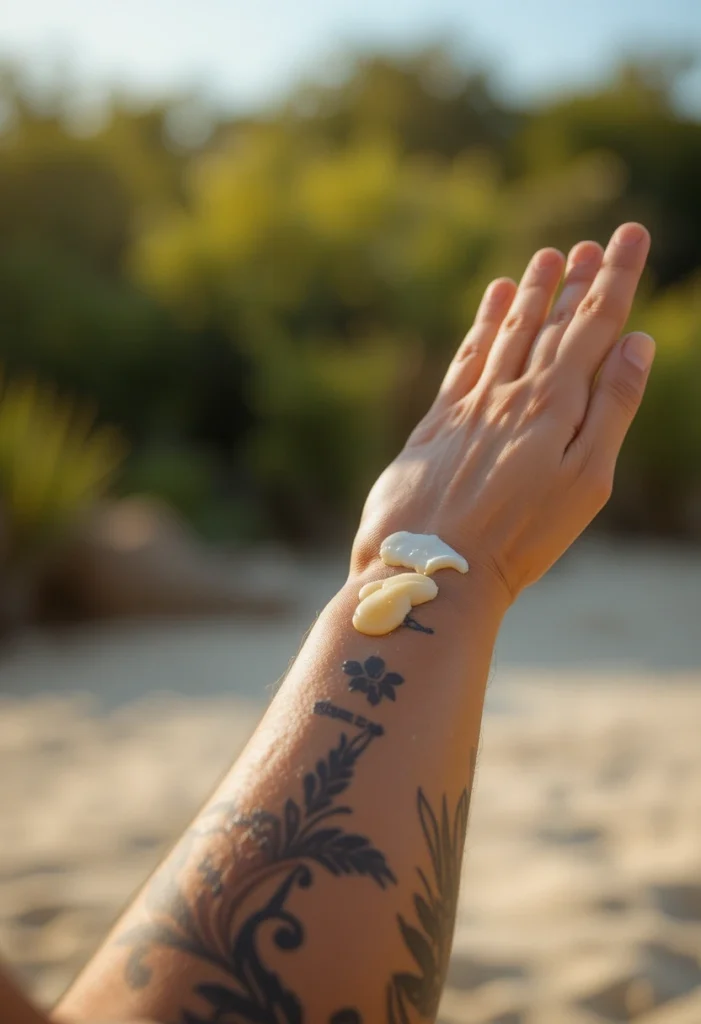
Your tattoo is essentially an open wound for the first two weeks. How you treat it now determines how it looks for years.
Follow your artist’s specific instructions, but the basics are:
- Keep it clean with a gentle, fragrance-free cleanser
- Apply a thin layer of recommended ointment or aftercare lotion
- Avoid picking, scratching, or peeling any scabs
But there’s a catch: rushing this stage — even by a few days — is one of the biggest reasons tattoos fade prematurely.
3. Make Sunscreen Non-Negotiable

UV rays are the single biggest cause of tattoo fading. Once your tattoo is fully healed, sunscreen isn’t optional — it’s daily maintenance.
- Use broad-spectrum SPF 30–50
- Reapply every 2–3 hours during extended sun exposure
- Cover tattoos with clothing when possible, especially during peak UV hours
Quick summary: No sunscreen = your ink fading years ahead of schedule, even on cloudy days.
4. Skip Tanning Beds Completely
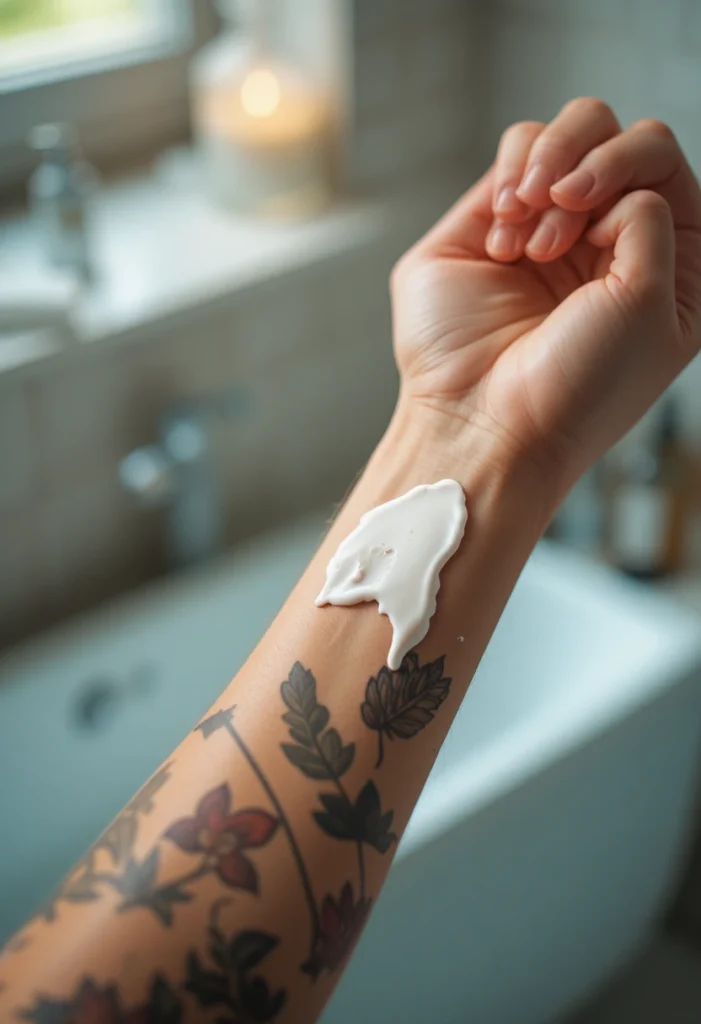
Tanning beds concentrate UV exposure even more intensely than natural sunlight, which means faster pigment breakdown — plus added skin cancer risk. If you want a bronzed look, a self-tanning product is a far safer route for your ink and your skin.
5. Moisturize Tattooed Skin Every Day
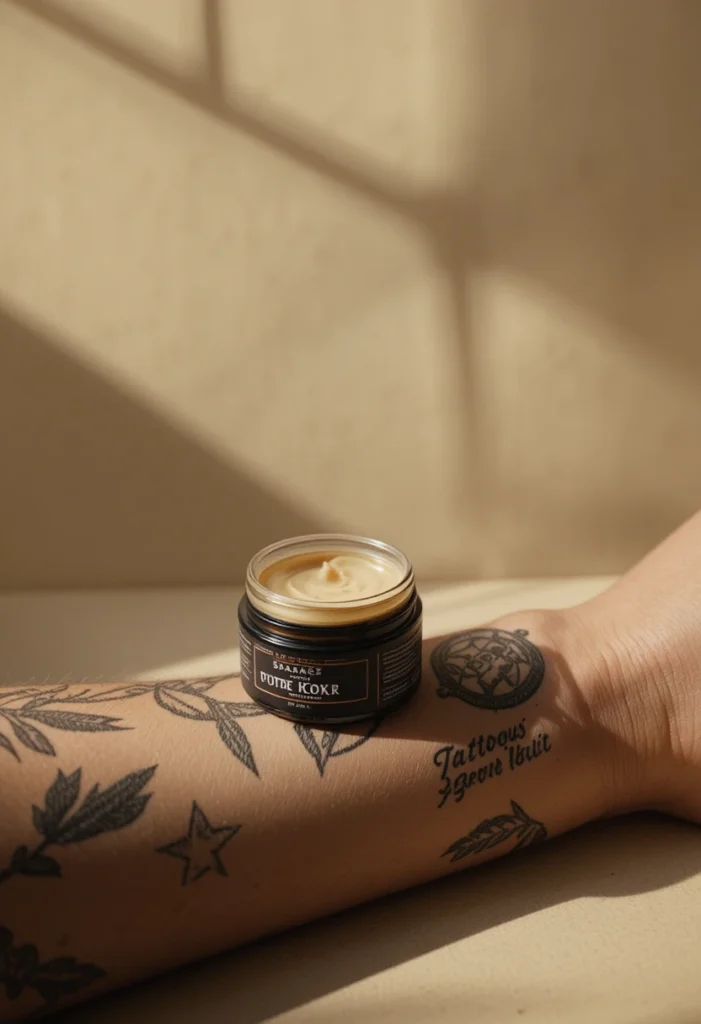
Dry skin scatters light differently, which makes healed tattoos look dull and washed out — even when the pigment underneath is perfectly fine.
- Moisturize daily, not just during the healing phase
- Focus on fragrance-free, gentle formulas
- Pay extra attention in winter or dry climates
This is one of the easiest, lowest-effort habits on this entire list — and one of the most overlooked.
6. Use a Tattoo-Specific Balm When You Can
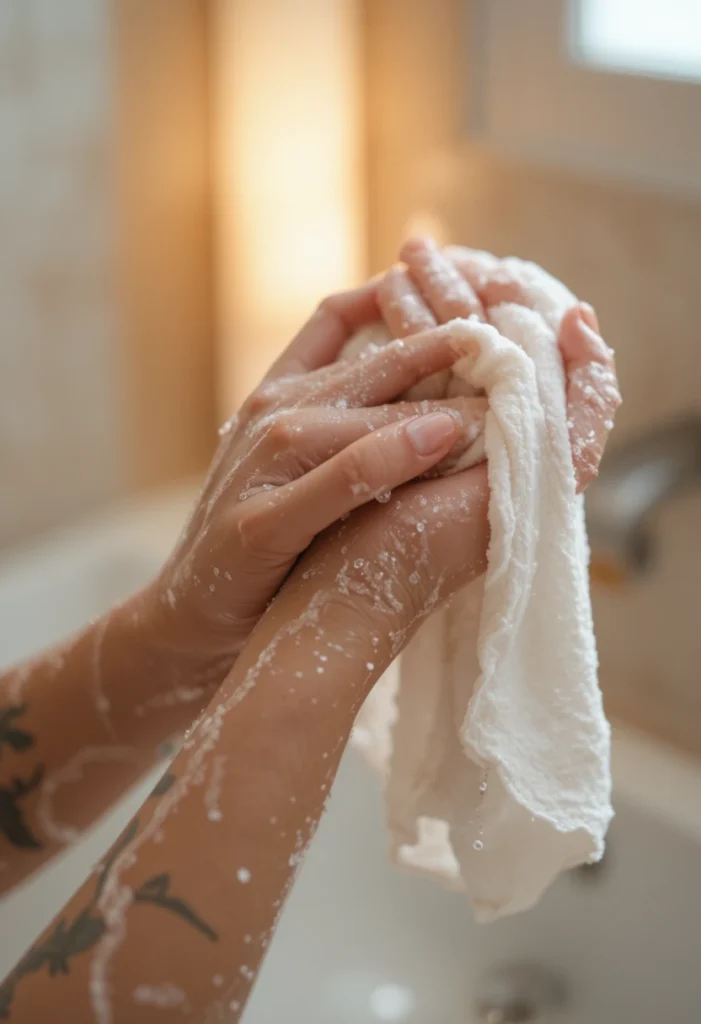
Regular lotion works fine day to day, but a dedicated tattoo balm goes a step further, nourishing the skin without leaving a heavy, oily film that can dull how the ink looks.
Save-worthy tip: Apply balm at night, regular lotion during the day — your ink stays hydrated without ever looking greasy.
7. Avoid Retinol, AHAs, and Harsh Exfoliating Acids on Tattooed Skin
These ingredients are great for skin renewal — but that’s exactly the problem. They speed up cell turnover, which pushes ink particles out of the skin faster than nature intended.
- Keep retinol and AHA/BHA products away from tattooed areas
- Choose gentle, non-exfoliating formulas specifically for tattooed skin
- If you use these products elsewhere on your body, apply carefully and avoid the tattooed zone
8. Cleanse Gently — Never Scrub
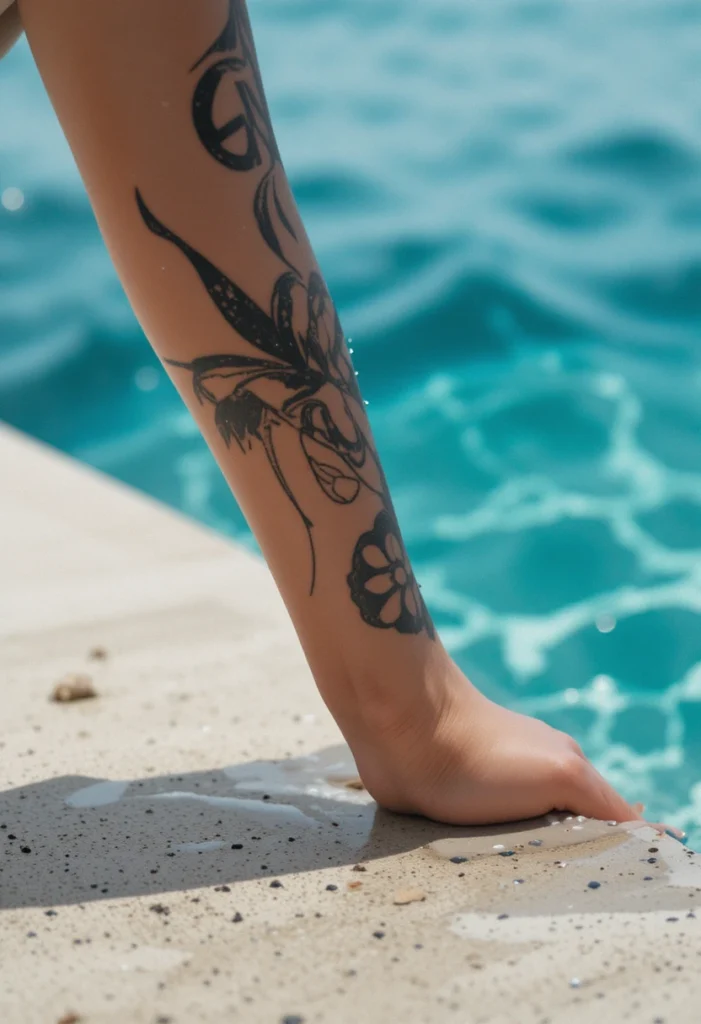
Vigorous scrubbing or overwashing strips the top layer of skin, and that top layer is doing more work than you’d think to keep your tattoo looking crisp.
- Use your hands, not a rough washcloth or loofah
- Pat dry instead of rubbing
- Stick to mild, antibacterial-free soap
9. Watch Water Exposure — Especially Chlorine and Saltwater

Long soaks, pools, and the ocean can pull moisture (and ink) from tattooed skin faster than you’d expect, particularly on newer tattoos.
- Avoid submerging a fresh tattoo until it’s fully healed
- Rinse chlorine or saltwater off promptly after swimming
- Moisturize right after any extended water exposure
10. Choose Bold, High-Contrast Designs If Longevity Matters to You

Not every tip is about aftercare — some of it starts at the design stage. Black and grey, and bold linework, tend to hold their shape and depth longer than pastel, watercolor, or ultra-fine details.
That doesn’t mean skip color — it just means go in with realistic expectations, and lean bolder if long-term crispness is your top priority.
11. Think Through Placement Before You Commit
Some spots on the body simply age and fade faster than others, thanks to sun exposure, friction, or skin elasticity changes over time.
Higher-fade-risk zones:
- Hands, feet, and fingers (constant use, sun, washing)
- Ribs, hips, and waistband areas (friction from clothing)
- Joints like elbows and knees (frequent stretching)
READ MORE: 18 Daisy Tattoo Ideas That Prove Simple Can Still Be Stunning
This isn’t a reason to avoid these spots — just something worth factoring into your design and care plan.
12. Wear Breathable Fabrics Over Friction-Prone Tattoos

If your tattoo sits somewhere your clothes constantly rub — waistbands, bra lines, thighs, ankles — that repeated friction wears on the ink like sandpaper over time.
- Choose soft, breathable fabrics over tight, rough materials
- Avoid tight waistbands directly over fresh or sensitive tattoos
- Give new tattoos extra breathing room while healing
13. Support Your Skin From the Inside Too
Healthy, well-hydrated skin holds pigment better than dry, stressed skin. It’s not a glamorous tip, but it works.
- Drink enough water daily
- Eat a balanced diet that supports skin health
- Manage stress and sleep — both affect skin cell turnover
Your ink lives in your skin, so anything that supports your skin supports your tattoo.
14. Reduce Sun Exposure During Peak Hours

Beyond sunscreen, simply timing your outdoor time matters. UV intensity peaks between 10 a.m. and 4 p.m., so covering tattoos or seeking shade during these hours adds another layer of protection without any extra product.
15. Plan for a Touch-Up — It’s Normal, Not a Failure

Even with perfect care, most tattoos benefit from a touch-up at some point, especially fine lines, lighter colors, or older pieces. This isn’t a sign you did something wrong — it’s simply part of long-term tattoo ownership.
- Check in with your original artist for touch-ups when needed
- Address small fading early, before it spreads
- Think of it as maintenance, the same way you’d maintain anything you want to last
Quick-Reference Recap
If you only remember three things from this whole guide: protect from UV daily, keep skin hydrated, and avoid harsh exfoliants on tattooed areas. Everything else builds on that foundation.
FAQ: Fading Tattoo Prevention
How long does it take for a tattoo to start fading?
Some fading can become noticeable within a few years, though timing varies widely based on ink quality, placement, sun exposure, and skin type.
Can a faded tattoo be restored?
Often, yes — a touch-up session with your original artist (or another skilled artist) can refresh color and sharpen lines that have softened over time.
Does black ink fade slower than color?
Generally, yes. Black and grey tattoos tend to hold their depth longer, while lighter colors and pastel tones typically show fading sooner.
Is sunscreen really necessary on old, healed tattoos?
Yes — UV exposure affects tattoos of any age, not just new ones. Daily sunscreen is one of the most effective long-term fading prevention habits.
Final Thoughts
Keeping a tattoo vibrant isn’t about one perfect product — it’s about a handful of small, consistent habits stacked together: sun protection, hydration, gentle skincare, and a little bit of planning around placement and design.
Pick two or three tips from this list to start with today, and build from there. Your future self — and your ink — will thank you.
Which tip are you starting with first? Save this guide so you don’t lose it, and check back before your next tattoo appointment.